
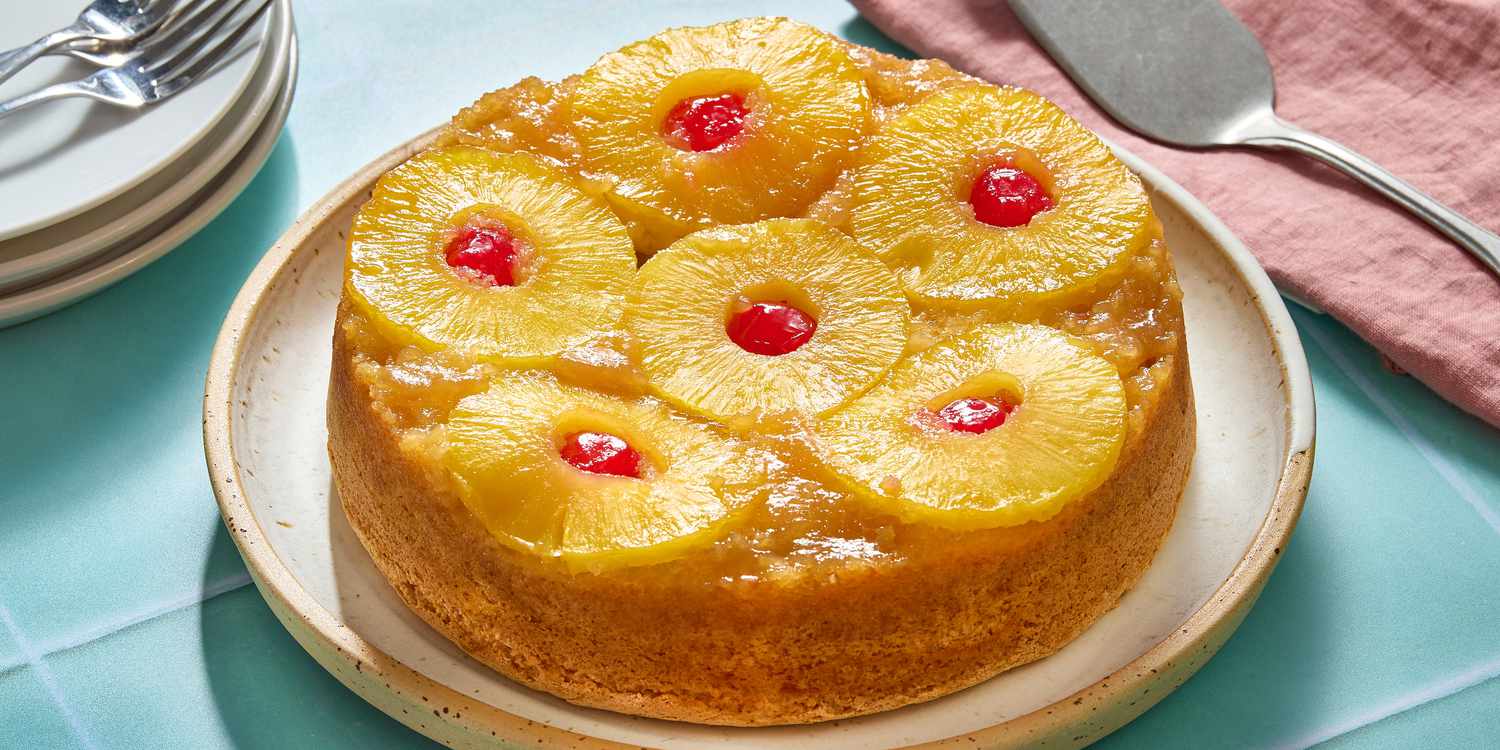
Pineapple Upside-Down Cake with Brown Sugar Glaze is one of those timeless desserts that never fails to draw attention when flipped out of the pan. The glossy caramelized pineapple rings, the deep golden brown sugar glaze, and the soft vanilla cake underneath create a beautiful contrast in both flavor and texture. I bake this cake when I want something nostalgic yet impressive, a dessert that feels comforting but still dramatic when revealed.
This recipe walks you step by step through preparing the caramelized topping, mixing a tender cake batter, baking it evenly, and flipping it confidently without fear. If you follow each stage carefully and allow the cake to rest at the right moments, you will have a moist Pineapple Upside-Down Cake with Brown Sugar Glaze that slices cleanly and tastes rich without being heavy.
Ingredients For The Pineapple Topping
Before starting the batter, I prepare the topping ingredients. Measuring everything in advance makes the process smoother and prevents rushing once the caramel begins cooking.
1/2 cup (115 g) unsalted butter
1 cup (200 g) packed light brown sugar
7 to 8 canned pineapple rings, drained well
Maraschino cherries (optional, for center of rings)
2 tablespoons pineapple juice (reserved from the can)
Draining the pineapple thoroughly is important because excess liquid can dilute the caramel. I pat the slices lightly with paper towels to remove surface moisture before arranging them in the pan.
Ingredients For The Cake Batter
For the vanilla cake layer, gather the following:
2 cups (240 g) all-purpose flour
2 teaspoons baking powder
1/2 teaspoon baking soda
1/2 teaspoon fine salt
1/2 cup (115 g) unsalted butter, room temperature
3/4 cup (150 g) granulated sugar
1/4 cup (50 g) packed light brown sugar
2 large eggs, room temperature
1 teaspoon pure vanilla extract
1/2 cup (120 ml) whole milk, room temperature
1/4 cup (60 ml) sour cream, room temperature
1/4 cup (60 ml) pineapple juice
The combination of butter and sour cream ensures a moist crumb that pairs beautifully with the caramel topping. Pineapple juice in the batter enhances the flavor and ties the cake to the topping.
Preparing The Pan And Oven
I preheat the oven to 350°F (175°C). A steady oven temperature is essential for even baking and proper caramelization. While the oven heats, I prepare a 9-inch round cake pan.
I do not line the bottom with parchment for this recipe because the caramel layer needs direct contact with the pan to develop properly. Instead, I lightly grease only the sides of the pan to help with release after baking.
Making The Brown Sugar Glaze Base
In a small saucepan over medium heat, I melt the butter completely. Once melted, I stir in the brown sugar and two tablespoons of pineapple juice. I cook the mixture for about two to three minutes, stirring constantly, until it thickens slightly and looks glossy.
The glaze should be smooth and bubbling gently but not overly thick. I immediately pour this caramel mixture into the bottom of the prepared cake pan, tilting the pan carefully so the glaze spreads evenly.
Arranging The Pineapple And Cherries
With the caramel layer in place, I arrange the drained pineapple rings over the glaze. I usually place one ring in the center and arrange the remaining slices around it. If using maraschino cherries, I place one in the center of each ring.
Pressing the pineapple lightly into the caramel ensures good contact and helps prevent shifting during baking. The arrangement will become the top of the cake once inverted, so I take a moment to position everything neatly.
Mixing The Dry Ingredients
In a medium bowl, I whisk together the flour, baking powder, baking soda, and salt. Whisking distributes the leavening evenly and prevents clumps. This simple step contributes to a consistent texture throughout the cake.
I set the bowl aside while preparing the butter and sugar mixture. Keeping the dry ingredients separate helps maintain proper structure during mixing.
Creaming Butter And Sugars
In a large mixing bowl, I beat the softened butter until smooth. Then I add the granulated sugar and brown sugar, beating for three to four minutes until the mixture becomes light and fluffy. This stage incorporates air, which gives the cake a tender texture.
I scrape down the sides of the bowl to ensure even mixing. Proper creaming lays the foundation for a soft crumb.
Adding Eggs And Vanilla
I add the eggs one at a time, mixing well after each addition. This keeps the batter smooth and prevents curdling. After the eggs are incorporated, I mix in the vanilla extract.
The mixture should look creamy and slightly thickened. If it appears separated, a brief additional mixing usually corrects it.
Incorporating Wet And Dry Ingredients
I reduce the mixer speed to low and add the dry ingredients in three additions, alternating with the milk, sour cream, and pineapple juice combined. I begin and end with the dry ingredients to maintain balance in the batter.
After each addition, I mix only until incorporated. Overmixing can develop excess gluten, resulting in a dense cake.
Pouring The Batter Over The Topping
Once the batter is smooth, I gently spoon it over the arranged pineapple and caramel layer. I spread it carefully with a spatula to avoid disturbing the fruit underneath. Ensuring an even layer helps the cake bake uniformly.
The batter completely covers the pineapple slices. I smooth the top and tap the pan lightly on the counter to release any large air bubbles.
Baking The Cake
The cake bakes for 40 to 50 minutes. I begin checking at the 40-minute mark by inserting a toothpick into the center of the cake layer, avoiding the caramel section. If it comes out clean or with a few moist crumbs, the cake is ready.
The top should appear golden and spring back lightly when pressed. If necessary, I tent the cake loosely with foil during the last few minutes to prevent over-browning.
Cooling Before Flipping
After removing the cake from the oven, I let it cool in the pan for about 10 to 15 minutes. This allows the caramel to settle slightly while remaining fluid enough to release cleanly. Flipping too soon can cause the topping to slide, while waiting too long may cause sticking.
I run a thin knife gently around the edges to loosen the sides. This step reduces the risk of tearing during inversion.
Flipping The Cake
I place a serving plate upside down over the cake pan. Holding both firmly, I carefully invert the pan and plate together in one smooth motion. After setting it down, I let it sit for about 30 seconds before gently lifting the pan away.
The caramelized pineapple and brown sugar glaze should release beautifully onto the cake. If any fruit sticks, I reposition it carefully while still warm.
Texture And Flavor Profile
The finished Pineapple Upside-Down Cake with Brown Sugar Glaze has a soft, moist crumb with rich caramel notes on top. The pineapple becomes tender and slightly caramelized, offering a balance of sweetness and acidity. The brown sugar glaze creates a glossy, sticky layer that soaks gently into the cake.
Each slice reveals a beautiful pattern of fruit on top and a tender interior beneath. The flavors feel nostalgic yet vibrant.
Serving Suggestions
I serve this cake slightly warm or at room temperature. A scoop of vanilla ice cream pairs beautifully with the caramel and pineapple. Lightly whipped cream also complements the sweetness without overwhelming it.
This cake works well for gatherings, potlucks, or family dinners. Its presentation always draws attention, especially when freshly flipped.
Storage Tips
I store leftovers covered at room temperature for up to two days. If refrigerating, I bring slices back to room temperature before serving to restore softness. The caramel layer remains moist and flavorful even after refrigeration.
The cake can also be gently reheated in the microwave for a few seconds to refresh the texture. The glaze softens slightly, enhancing the overall experience.
Helpful Baking Notes
Drain the pineapple thoroughly before arranging it in the pan. Excess liquid can thin the caramel and affect texture. Patting the slices dry ensures proper caramelization.
Measure flour accurately by spooning it into the measuring cup and leveling it off. Too much flour can result in a dry cake. Small details like this make a noticeable difference.
Final Thoughts
Pineapple Upside-Down Cake with Brown Sugar Glaze combines tender vanilla cake with caramelized fruit in a way that feels both classic and satisfying. The glossy pineapple topping and rich brown sugar glaze create visual appeal and deep flavor. Each stage of the process builds naturally toward a cake that looks dramatic yet is straightforward to prepare.
Following the steps carefully ensures a cake that flips cleanly and slices beautifully. The balance of sweet caramel and bright pineapple keeps the dessert from feeling overly heavy. Once baked and inverted onto a serving plate, this cake becomes the centerpiece of any table and a recipe worth returning to again and again.