
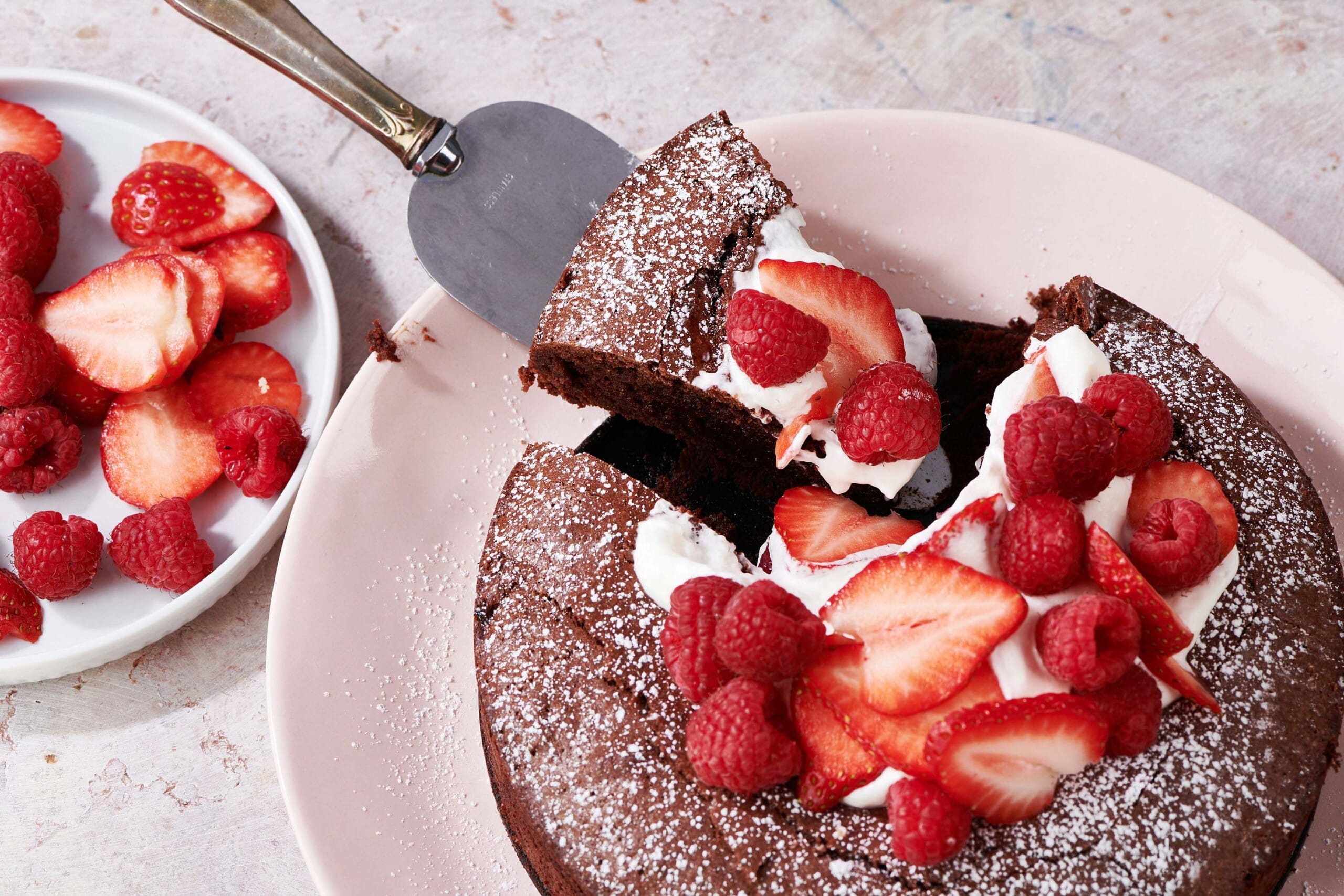
Chocolate cake should be unapologetically rich, deeply moist, and so tender that each forkful feels like it dissolves before you even finish chewing. That is exactly what this ultimate fudgy chocolate cake delivers. I make this recipe whenever I want a guaranteed showstopper, whether it is for a birthday, a dinner party, or simply a late-night craving that refuses to be ignored. The crumb is dense yet soft, the flavor intensely chocolatey without being bitter, and the texture truly melts in your mouth.
I have tested countless variations to reach this exact balance of fat, sugar, cocoa, and liquid. Too much flour makes a cake dry and tight, while too little structure turns it into a collapsed brownie. The magic here lies in precise measurements, quality chocolate, and a method that locks in moisture at every stage. If you follow each step carefully, you will pull a perfectly fudgy chocolate cake out of your oven on the very first try.
Ingredients Measured to Perfection
This recipe makes two 8-inch round cake layers.
For the Chocolate Cake:
- 1¾ cups (220 g) all-purpose flour
- ¾ cup (75 g) unsweetened natural cocoa powder
- 1 teaspoon baking powder
- 1½ teaspoons baking soda
- ½ teaspoon fine salt
- 1 cup (225 g) unsalted butter, melted and slightly cooled
- 1½ cups (300 g) granulated sugar
- ½ cup (100 g) light brown sugar, packed
- 3 large eggs, room temperature
- 2 teaspoons pure vanilla extract
- 1 cup (240 ml) whole milk, room temperature
- ½ cup (120 ml) hot brewed coffee
- 120 g dark chocolate (60–70%), finely chopped
For the Fudgy Chocolate Ganache Frosting:
- 250 g dark chocolate (60–70%), finely chopped
- 1 cup (240 ml) heavy cream
- 2 tablespoons (30 g) unsalted butter
- 1 tablespoon corn syrup or honey (optional, for shine)
I always recommend weighing ingredients with a kitchen scale because baking is chemistry. Even a small variation in flour can change the final texture, and this cake depends on precision to achieve that melt-in-your-mouth result. Room temperature eggs and milk are equally important because they blend more smoothly into the batter and prevent overmixing.
Preparing the Cake Pans and Oven
I begin by preheating my oven to 175°C (350°F). An accurately heated oven ensures the cake rises evenly and sets at the right pace. Baking at too low a temperature can cause a dense, sunken center, while too high a temperature can dry out the edges before the middle cooks through.
Next, I grease two 8-inch round cake pans with butter, then line the bottoms with parchment paper circles. After placing the parchment, I lightly grease the paper as well and dust the pans with cocoa powder instead of flour. Cocoa prevents a white residue on the dark cake and adds an extra hint of chocolate flavor.
Taking a few minutes to prepare the pans properly saves frustration later. Nothing ruins the excitement of a perfect bake like a cake that sticks and tears as you try to release it.
Mixing the Dry Ingredients
In a large bowl, I sift together the flour, cocoa powder, baking powder, baking soda, and salt. Sifting is not just for aesthetics; it removes lumps from the cocoa and aerates the mixture. This step helps create a smoother batter and a finer crumb.
Once sifted, I whisk everything together thoroughly to distribute the leavening agents evenly. Uneven mixing can cause parts of the cake to rise differently, leading to tunnels or dense pockets. A uniform dry mixture ensures a consistent texture from edge to center.
I set this bowl aside while I prepare the wet ingredients. Having everything measured and ready makes the process seamless and prevents overmixing later on.
Building the Rich Chocolate Base
In another large bowl, I combine the melted butter, granulated sugar, and brown sugar. I whisk them together until the mixture looks glossy and slightly thickened. The combination of white and brown sugar gives both sweetness and moisture, with the brown sugar adding depth and softness.
I add the eggs one at a time, whisking well after each addition. This gradual incorporation prevents the batter from separating and builds structure. After the eggs, I stir in the vanilla extract for warmth and aroma.
At this stage, I fold in the finely chopped dark chocolate. The small pieces melt gently into the warm batter and create pockets of fudgy richness throughout the cake. This is one of the secrets to achieving that indulgent texture that feels almost like a truffle.
Combining Wet and Dry Ingredients
I add half of the dry ingredients to the butter mixture and gently fold it in using a spatula. Folding instead of aggressively mixing keeps the gluten development minimal, which helps the cake stay tender. Overmixing is the enemy of a soft crumb.
Next, I pour in the milk and stir just until incorporated. The batter will look slightly loose at this point, but that is exactly what I want. I then add the remaining dry ingredients and fold again until no visible streaks of flour remain.
Finally, I slowly pour in the hot coffee while stirring gently. The coffee does not make the cake taste like coffee; it intensifies the chocolate flavor and deepens the color. The batter will become quite thin, but that is what creates the moist, fudgy interior once baked.
Baking to Fudgy Perfection
I divide the batter evenly between the prepared pans and gently tap them on the counter to release any trapped air bubbles. Air pockets can cause uneven baking and small holes in the crumb.
The cakes bake for 30 to 35 minutes. I begin checking at the 30-minute mark by inserting a toothpick into the center. For a fudgy texture, the toothpick should come out with a few moist crumbs attached but not wet batter. Overbaking will dry the cake, so I watch closely during the final minutes.
Once baked, I let the cakes cool in their pans for 10 minutes before turning them out onto a wire rack. They must cool completely before frosting, or the ganache will melt and slide off.
Making the Silky Ganache Frosting
While the cakes cool, I prepare the ganache. I place the chopped dark chocolate in a heatproof bowl. In a small saucepan, I heat the heavy cream just until it begins to simmer around the edges.
I pour the hot cream over the chocolate and let it sit undisturbed for five minutes. This allows the chocolate to melt gently without seizing. After resting, I stir slowly from the center outward until the mixture becomes smooth and glossy.
I add the butter and optional corn syrup, stirring until fully incorporated. The butter enhances the shine and smoothness, while the syrup adds a subtle sheen that makes the cake look professionally finished. I allow the ganache to cool at room temperature until it thickens to a spreadable consistency.
Assembling the Cake
Once the cake layers are completely cool, I place one layer on a serving plate. I spread a generous amount of ganache over the top, pushing it gently to the edges. The ganache should be thick but still soft enough to glide smoothly.
I place the second layer on top and press lightly to secure it. Then I spread ganache over the top and sides, using an offset spatula to create either a smooth finish or soft swirls. This cake looks stunning with a slightly rustic texture that highlights its richness.
For an extra indulgent touch, I sometimes drizzle a bit of warm ganache over the top so it gently drips down the sides. The final result is glossy, dark, and irresistibly inviting.
Tips for the Best Melt-in-Your-Mouth Texture
Using high-quality cocoa powder and dark chocolate makes a noticeable difference. Inferior chocolate can taste flat or overly sweet, which diminishes the depth of flavor. I always opt for chocolate with at least 60% cocoa content.
Avoid overbaking at all costs. Even five extra minutes can transform a fudgy cake into a dry one. Trust the toothpick test and remove the cakes when they still have moist crumbs attached.
Allow the cake to rest for a few hours before slicing if possible. The flavors deepen as it sits, and the texture becomes even more luscious. The ganache also sets beautifully, creating clean slices with each cut.
Storing and Serving
I store this cake in an airtight container at room temperature for up to three days. Because of its high moisture content, it stays soft without refrigeration. If your kitchen is very warm, refrigerate it but allow slices to come back to room temperature before serving for the best texture.
Each slice pairs beautifully with a glass of cold milk or a cup of strong coffee. The richness means a modest portion feels satisfying, yet most people return for seconds because the texture is so irresistible.
Final Thoughts
This ultimate fudgy chocolate cake has become one of my most requested recipes, and for good reason. It delivers intense chocolate flavor, a moist and tender crumb, and a silky ganache that ties everything together in the most luxurious way. Every time I slice into it, the soft interior and glossy frosting remind me why chocolate cake remains a timeless favorite.
Follow the measurements carefully, respect the baking time, and use quality ingredients. If you do, you will end up with a cake that truly melts in your mouth and satisfies even the most serious chocolate cravings. Once you try it, this recipe will likely become your go-to whenever only a deeply fudgy chocolate cake will do.