
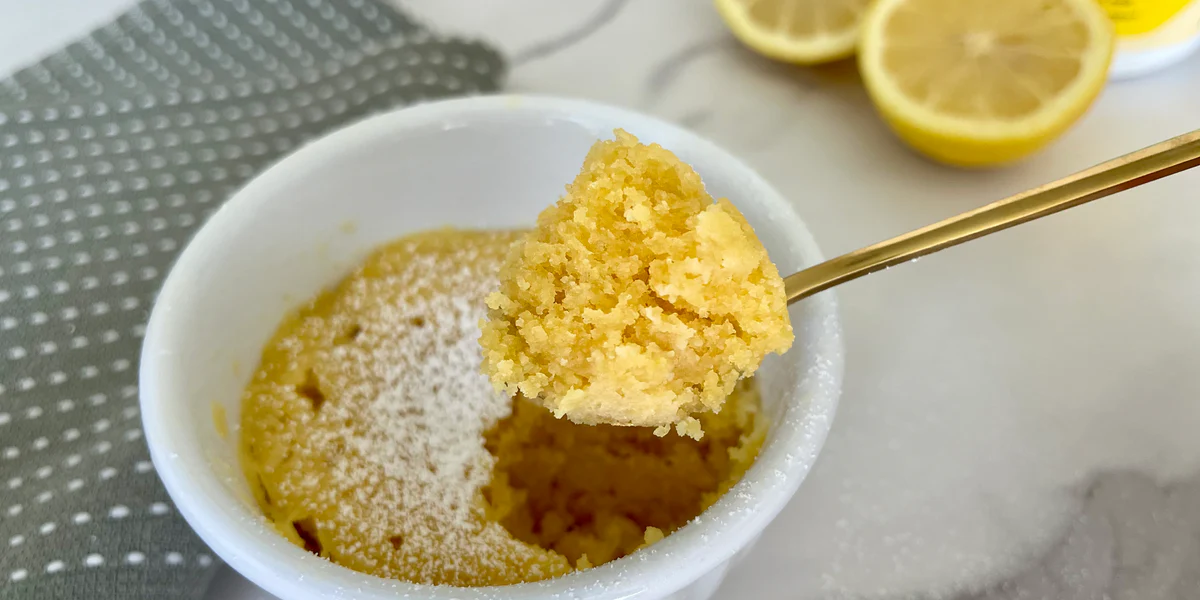
Microwave Lemon Cake For One is the dessert I turn to when I crave something bright, soft, and homemade without committing to a full-sized cake. It delivers a tender crumb, fresh citrus aroma, and just the right balance of sweetness and tang in only a few minutes. I can mix it directly in a mug or small bowl, slide it into the microwave, and enjoy a warm lemon cake while it is still fragrant and fluffy.
This recipe is designed for simplicity and precision. The ingredient list is short, the steps are straightforward, and the texture comes out consistently soft if the measurements are followed carefully. With the right mug and proper timing, you will have a perfectly cooked lemon cake that feels fresh from the oven even though it was made in the microwave.
Ingredients You Will Need
I measure everything before I begin because microwave baking moves quickly. Exact proportions matter in small-batch recipes, and a slight imbalance can affect texture.
4 tablespoons all-purpose flour
3 tablespoons granulated sugar
1/4 teaspoon baking powder
A small pinch of salt
3 tablespoons milk, at room temperature
2 tablespoons vegetable oil or melted butter
1 tablespoon fresh lemon juice
1 teaspoon finely grated lemon zest
1/4 teaspoon vanilla extract
Optional lemon glaze:
3 tablespoons powdered sugar
1 to 2 teaspoons fresh lemon juice
The flour provides structure, while baking powder ensures the cake rises quickly in the microwave. Oil keeps the crumb soft and moist, and lemon zest intensifies the citrus aroma. Fresh lemon juice adds brightness and balances the sweetness of the sugar.
Preparing Your Mug Or Bowl
I use a microwave-safe mug or small ramekin that holds at least 10 to 12 ounces. The batter rises as it cooks, so extra space prevents overflow. A slightly wider container allows the cake to cook more evenly than a tall, narrow mug.
Before mixing, I lightly grease the inside with a thin layer of oil or butter. This step helps the cake release easily if I want to remove it from the mug. It also prevents dry edges from sticking during cooking.
Mixing The Dry Ingredients
I start by adding the flour, sugar, baking powder, and salt directly into the mug. Using a fork or small whisk, I stir thoroughly until the dry mixture looks uniform.
Breaking up any small clumps of flour or baking powder ensures an even rise. Because this is a quick recipe, careful mixing at this stage prevents uneven texture later.
Adding The Wet Ingredients
Next, I pour in the milk, vegetable oil, lemon juice, lemon zest, and vanilla extract. I stir gently at first to combine the liquids with the dry mixture.
Once the ingredients begin to blend, I mix more thoroughly, scraping the bottom and sides of the mug. The batter should become smooth and slightly glossy. It will look thick but still pourable.
The aroma of fresh lemon zest becomes noticeable immediately. That natural fragrance signals that the flavor will be vibrant and fresh once cooked.
Checking The Batter Consistency
Before microwaving, I check the texture of the batter. It should not be overly thick or dry. If it feels stiff, I add a teaspoon of milk and stir again.
Small adjustments make a big difference in single-serving recipes. The goal is a smooth batter that spreads evenly in the mug without large lumps.
Microwave Cooking Time
Microwaves vary in power, so timing can differ slightly. In a 900 to 1000 watt microwave, I cook the cake for about 60 to 80 seconds.
I start with 60 seconds and observe the top. The surface should look set but slightly soft in the center. If it appears wet or liquid, I microwave in 10-second intervals until the top is no longer shiny.
Overcooking leads to a rubbery texture, so I stop heating as soon as the center looks just done. The cake continues to cook slightly from residual heat after removal.
Resting Before Serving
Once cooked, I let the cake rest for one to two minutes. This allows the crumb to settle and makes it easier to remove from the mug if desired.
The texture firms slightly during this short rest, and the lemon aroma becomes even more pronounced. Cutting into it too soon can cause it to crumble slightly.
Making The Lemon Glaze
For extra brightness, I often prepare a quick lemon glaze. I mix powdered sugar with fresh lemon juice until smooth and slightly thick.
The glaze should drizzle easily but not be watery. I spoon it over the warm cake, allowing it to soak slightly into the surface.
As it cools, the glaze forms a thin, sweet layer that enhances the citrus flavor. It adds both shine and an extra burst of lemon in every bite.
Texture And Flavor Profile
This Microwave Lemon Cake For One has a soft, tender crumb with a delicate structure. It is moist but not heavy, and the oil prevents dryness even after cooling.
The lemon zest provides a natural citrus fragrance that feels fresh rather than artificial. The juice adds subtle tang, balancing the sweetness without overpowering it.
The overall flavor is light and refreshing. It feels satisfying without being overly rich, making it perfect for an afternoon treat or light dessert.
Optional Add-Ins
Sometimes I like to personalize the cake with small additions. A few white chocolate chips stirred into the batter create pockets of sweetness that pair beautifully with lemon.
A teaspoon of poppy seeds adds gentle crunch and a classic lemon-poppy flavor combination. The seeds distribute evenly throughout the batter and add visual appeal.
For a slightly richer version, I replace half the milk with a tablespoon of Greek yogurt. This makes the crumb even softer and adds subtle creaminess.
Avoiding Common Mistakes
Precise measurements are important in microwave baking. Adding too much flour can make the cake dry, while too much liquid can leave it undercooked in the center.
Overmixing is rarely an issue in small mug cakes, but thorough mixing is essential. Flour pockets can create uneven texture, so I always scrape the mug carefully.
The biggest mistake is overcooking. Microwaves heat quickly, and even an extra 15 seconds can change the texture significantly.
Making It Dairy-Free
This recipe adapts easily for dairy-free diets. I replace milk with almond milk or oat milk in equal amounts.
Using oil instead of butter already keeps it dairy-free. The flavor remains fresh and bright, especially with high-quality lemon zest.
Turning It Into A Layered Dessert
If I want something more elaborate, I let the cake cool completely and slice it in half horizontally. I spread a thin layer of lemon curd or whipped cream between the layers.
This transforms the simple mug cake into a miniature layered dessert. The added filling enhances both flavor and presentation.
Serving Ideas
I enjoy this cake straight from the mug with a spoon. The warmth makes it comforting and satisfying.
For a more refined presentation, I invert the cake onto a small plate and drizzle glaze over the top. A few fresh berries on the side add color and contrast.
A light dusting of powdered sugar also works beautifully. It keeps the dessert simple while highlighting the golden surface.
Storage And Reheating
This cake is best enjoyed immediately. If needed, I cover it tightly and store it at room temperature for up to one day.
To refresh it, I microwave for 10 seconds before serving. Adding a small splash of milk before reheating helps maintain moisture.
Why This Recipe Works
The balance of oil and milk ensures the cake remains soft under microwave heat. Baking powder reacts quickly, providing lift within seconds.
Lemon zest carries essential oils that deliver strong flavor without extra liquid. This maintains structure while intensifying aroma.
The short cooking time preserves moisture. Because the cake cooks rapidly, it avoids drying out if removed promptly.
Adjusting Sweetness
If I prefer a less sweet cake, I reduce the sugar by half a tablespoon. The lemon flavor becomes slightly sharper and more pronounced.
For a sweeter dessert, I increase the glaze rather than altering the batter. This keeps the crumb balanced while enhancing sweetness externally.
Final Thoughts
Microwave Lemon Cake For One offers a quick, reliable way to enjoy a fresh citrus dessert without turning on the oven. The method is simple, the ingredients are accessible, and the flavor is bright and comforting.
By mixing carefully, watching the cooking time closely, and allowing a brief rest before serving, you will achieve a soft, fragrant lemon cake in minutes. This recipe proves that even a single serving can deliver bakery-style flavor with minimal effort and maximum satisfaction.