
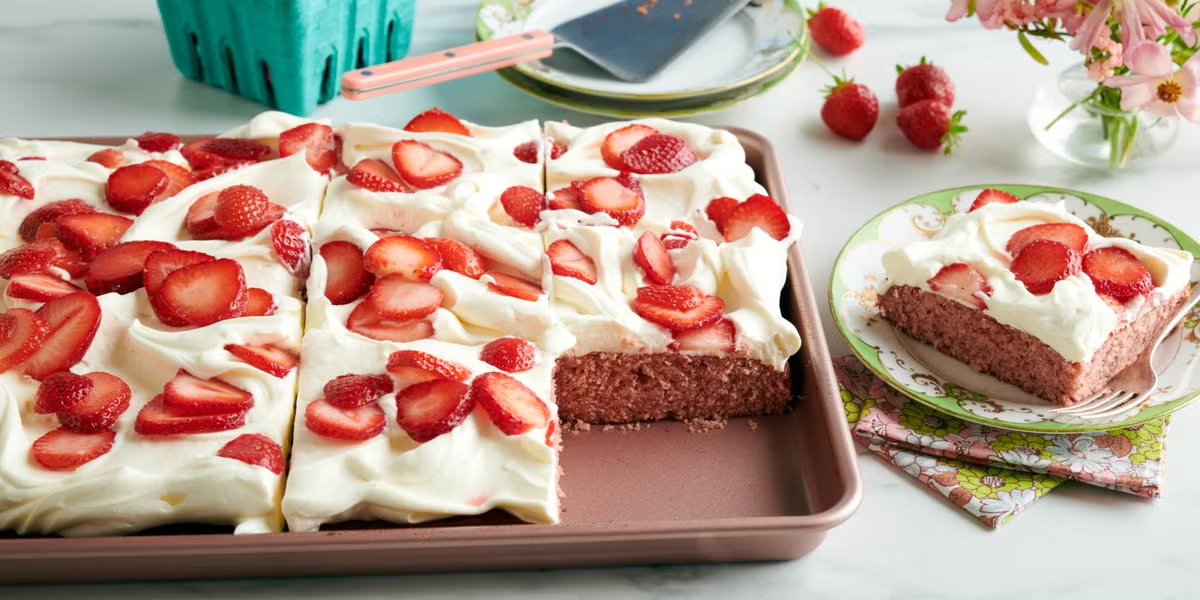
Easy Sheet Cake With Pantry Ingredients is the recipe I rely on when I want a soft, crowd-pleasing cake without a special trip to the store. It uses basic staples that I almost always have in my kitchen, and the method is straightforward enough to follow without stress. The result is a moist, tender cake with a golden top and a delicate crumb that works for birthdays, casual gatherings, or simple weekend baking.
I love sheet cakes because they are practical and forgiving. The batter spreads evenly in one pan, bakes consistently, and slices easily into neat squares. This recipe keeps things uncomplicated while delivering flavor and texture that feel far more impressive than the effort involved.
Ingredients You Will Need
I measure everything before I begin so the mixing process stays smooth. Accurate measurements ensure the cake rises properly and bakes evenly.
2 cups all-purpose flour
1 1/2 cups granulated sugar
1/2 cup vegetable oil
1/2 cup unsalted butter, melted
1 cup milk, at room temperature
3 large eggs, at room temperature
2 teaspoons baking powder
1/2 teaspoon baking soda
1/2 teaspoon salt
1 tablespoon pure vanilla extract
Optional simple frosting:
1/2 cup unsalted butter, softened
2 cups powdered sugar
2 tablespoons milk
1 teaspoon vanilla extract
These ingredients create a balanced cake with moisture from oil and flavor from butter. Baking powder and baking soda provide lift, while milk keeps the crumb soft and tender.
Preparing The Pan And Oven
I preheat the oven to 180°C (350°F) before mixing the batter. Starting with a fully heated oven helps the cake rise properly and prevents a dense center.
For this Easy Sheet Cake With Pantry Ingredients, I use a standard 9×13-inch rectangular baking pan. I grease it lightly with butter or oil, then line the bottom with parchment paper for easy removal. If I am serving directly from the pan, I sometimes skip the parchment and simply grease and flour it thoroughly.
Mixing The Wet Ingredients
I begin by whisking the eggs and sugar together in a large mixing bowl. I whisk for about one minute until the mixture looks slightly pale and smooth. This step helps dissolve the sugar and incorporate a bit of air.
Next, I add the melted butter and vegetable oil. Combining both fats creates a moist yet flavorful cake. I whisk again until the mixture is fully blended and glossy.
I pour in the milk and vanilla extract, stirring until smooth. The wet mixture should look uniform, with no streaks of egg or oil remaining.
Combining The Dry Ingredients
In a separate bowl, I mix the flour, baking powder, baking soda, and salt. Stirring them together ensures even distribution and consistent rising.
I gradually add the dry mixture into the wet ingredients. Using a spatula or whisk, I fold gently until no dry streaks remain. I avoid overmixing because that can develop too much gluten and result in a tougher texture.
The final batter should be smooth and moderately thick. It spreads easily but still holds its shape slightly when poured.
Pouring And Leveling The Batter
I pour the batter into the prepared sheet pan and use a spatula to spread it evenly into the corners. Smoothing the top helps ensure even baking.
I tap the pan gently on the counter to release air bubbles. This small step prevents uneven holes in the crumb and helps the cake bake uniformly.
The surface should look level and slightly glossy before going into the oven.
Baking The Cake
I place the pan on the middle rack of the oven. The cake bakes for approximately 30 to 35 minutes.
Around the 30-minute mark, I test for doneness by inserting a toothpick into the center. If it comes out clean or with a few dry crumbs, the cake is ready. If batter clings to the toothpick, I bake for a few more minutes and test again.
The top turns lightly golden, and the edges begin to pull slightly away from the pan when fully baked.
Cooling The Cake
Once baked, I remove the pan from the oven and let it cool on a wire rack. I allow it to rest for at least 20 minutes before frosting or slicing.
Cooling completely is important if adding frosting. A warm cake can melt frosting and affect texture.
The crumb sets as it cools, becoming soft yet sturdy enough for clean slices.
Making The Simple Pantry Frosting
If I want a classic finish, I prepare a quick buttercream frosting. I beat softened butter until creamy, then gradually add powdered sugar.
I mix in milk and vanilla extract, beating until smooth and fluffy. The frosting should be spreadable but not runny.
Once the cake has cooled completely, I spread the frosting evenly over the surface using a spatula. The smooth layer creates a polished look without requiring advanced decorating skills.
Texture And Flavor Profile
This Easy Sheet Cake With Pantry Ingredients produces a tender, moist crumb that stays soft for days. The combination of butter and oil creates both richness and long-lasting moisture.
The flavor is classic and comforting. Vanilla provides warmth, while the balanced sweetness makes it suitable for various toppings or fillings.
Because the cake is not overly dense, it feels light enough for an afternoon snack yet satisfying enough for dessert.
Flavor Variations
I sometimes adapt this base recipe to create different flavors. For a chocolate version, I replace 1/2 cup of flour with unsweetened cocoa powder and add two tablespoons of milk to maintain moisture.
For a citrus twist, I add one tablespoon of lemon zest and substitute two tablespoons of milk with fresh lemon juice. The brightness pairs beautifully with a simple glaze.
Adding 1/2 cup of chocolate chips or sprinkles to the batter creates a festive variation. I fold them in gently just before pouring into the pan.
Making It Dairy-Free
This cake adapts easily to dairy-free needs. I replace butter with additional vegetable oil or plant-based butter alternatives.
Milk can be substituted with almond milk or oat milk in equal amounts. The texture remains soft and moist as long as the ratios stay balanced.
Avoiding Common Mistakes
Overmixing after adding flour can result in a tougher cake. I mix just until combined and stop immediately.
Using cold ingredients may cause uneven mixing. Room-temperature eggs and milk blend more smoothly and bake more evenly.
Skipping pan preparation can lead to sticking. Proper greasing ensures clean removal and neat slices.
Storage And Shelf Life
After cooling completely, I cover the cake tightly and store it at room temperature for up to three days. The oil helps retain moisture without drying out quickly.
For longer storage, I refrigerate it for up to five days. I allow slices to return to room temperature before serving for the best texture.
The cake also freezes well. I wrap individual slices tightly and freeze for up to two months. Thawing at room temperature restores its softness.
Serving Ideas
I often serve this sheet cake in simple squares with a cup of tea or coffee. Its straightforward flavor makes it versatile and comforting.
For gatherings, I top it with fresh fruit and a light dusting of powdered sugar. This elevates presentation while keeping preparation simple.
Another favorite option is drizzling chocolate sauce over frosted slices for added richness. The cake’s balanced sweetness pairs well with deeper chocolate flavors.
Why This Recipe Works
The combination of baking powder and baking soda ensures proper lift and tenderness. Oil maintains moisture even after refrigeration.
Butter adds flavor depth that makes the cake taste homemade and rich. The balanced ratio of wet to dry ingredients prevents heaviness.
Sheet pan baking promotes even heat distribution, which helps achieve consistent texture across the entire cake.
Turning It Into A Celebration Cake
I sometimes decorate this cake with colorful sprinkles and piped frosting for birthdays. The large surface area makes decorating simple and creative.
Layering a thin spread of jam under the frosting adds a subtle fruity surprise. This small addition enhances flavor without complicating the process.
Final Thoughts
Easy Sheet Cake With Pantry Ingredients proves that simple staples can produce a beautifully moist and flavorful cake. The method is straightforward, the ingredients are accessible, and the results are consistently satisfying.
By measuring carefully, mixing gently, and baking until just done, you will achieve a tender, golden cake perfect for any occasion. This recipe remains one of my most dependable options whenever I want homemade cake without extra effort or specialty ingredients.