Dairy-Free Lemon Cake Recipe
Dairy-free lemon cake recipe brings together bright citrus flavor and a soft, tender crumb without relying on butter or milk. I bake this cake whenever I want something fresh, fragrant, and light that still feels like a proper homemade dessert. The lemon zest perfumes the batter, the juice adds a gentle tang, and the oil keeps the texture moist for days.
This cake works beautifully for birthdays, afternoon tea, or simple family dinners. The method is straightforward, the ingredients are easy to find, and the result tastes just as rich as any traditional lemon cake made with dairy. If you follow the step-by-step instructions below, you will be able to bake this cake confidently from start to finish.
Everything is written clearly so you can simply read and make the cake without guessing measurements or techniques.
Ingredients For Dairy-Free Lemon Cake Recipe
Precise measurements matter because citrus juice affects texture. I measure carefully to maintain the right balance between moisture and structure.
For the cake:
2 1/2 cups all-purpose flour
1 1/2 cups granulated sugar
2 teaspoons baking powder
1/2 teaspoon baking soda
1/2 teaspoon salt
1 tablespoon finely grated lemon zest (from about 2 lemons)
3/4 cup fresh lemon juice
1 cup unsweetened almond milk or soy milk
2/3 cup neutral oil such as sunflower or canola oil
3 large eggs, room temperature
1 teaspoon pure vanilla extract
For the lemon glaze:
1 1/2 cups powdered sugar
3 to 4 tablespoons fresh lemon juice
1 teaspoon lemon zest
Optional dairy-free lemon frosting:
1 cup dairy-free butter, softened
3 cups powdered sugar
2 to 3 tablespoons lemon juice
1 teaspoon lemon zest
1 teaspoon vanilla extract
This recipe yields two 8-inch round layers or one 9×13-inch cake.
Preparing The Pans And Oven
Preheat your oven to 350°F (175°C). Allow it to fully heat so the cake rises evenly once placed inside.
Grease two 8-inch round cake pans with oil or dairy-free butter. Line the bottoms with parchment paper and lightly grease the parchment as well. This ensures easy removal without tearing the cake.
Set the prepared pans aside while you mix the batter. Having everything ready helps maintain proper texture once the wet ingredients are combined with the dry.
Mixing The Dry Ingredients
In a large bowl, combine the flour, sugar, baking powder, baking soda, and salt. Whisk thoroughly to distribute the leavening agents evenly.
Add the lemon zest directly into the dry ingredients. Rub it gently into the sugar with your fingertips for a few seconds. This releases the natural oils from the zest and intensifies the lemon flavor throughout the cake.
Whisk once more to ensure everything is evenly blended before adding the wet ingredients.
Combining The Wet Ingredients
In a separate bowl, whisk together the eggs, oil, almond milk, lemon juice, and vanilla extract. Continue whisking until the mixture is smooth and slightly pale.
The lemon juice may cause the almond milk to curdle slightly, which is completely normal. This reaction actually helps create a tender crumb similar to buttermilk.
Make sure all wet ingredients are fully combined before moving to the next step.
Bringing The Batter Together
Pour the wet mixture into the bowl of dry ingredients. Use a spatula or whisk to combine gently but thoroughly.
Mix just until no streaks of flour remain. Overmixing can make the cake dense, so stop as soon as the batter looks smooth and uniform.
The batter should be slightly thick but pourable. Scrape down the sides and bottom of the bowl to ensure no dry pockets remain.
Dividing And Baking The Cake
Divide the batter evenly between the prepared pans. Smooth the tops with a spatula to ensure even baking.
Place the pans on the center rack of the oven. Bake for 28 to 35 minutes, checking at the 28-minute mark.
Insert a toothpick into the center. If it comes out clean or with a few moist crumbs, the cakes are ready. Avoid overbaking to maintain softness.
Remove the cakes from the oven and let them cool in the pans for 10 to 15 minutes. Then transfer them carefully to a wire rack to cool completely.
Making The Lemon Glaze
While the cake cools, prepare the glaze. In a medium bowl, whisk together the powdered sugar and lemon juice.
Add the juice gradually until you reach a smooth, pourable consistency. Stir in the lemon zest for extra brightness.
The glaze should be thick enough to coat the back of a spoon but thin enough to drizzle over the cake easily.
Preparing The Dairy-Free Lemon Frosting
If you prefer a frosted cake rather than a glazed one, prepare the frosting. Beat the softened dairy-free butter until creamy and smooth.
Gradually add powdered sugar, mixing on low speed to prevent a sugar cloud. Add lemon juice, lemon zest, and vanilla extract.
Beat until light and fluffy. If the frosting is too thick, add a teaspoon of almond milk at a time until it reaches a spreadable consistency.
Assembling The Cake
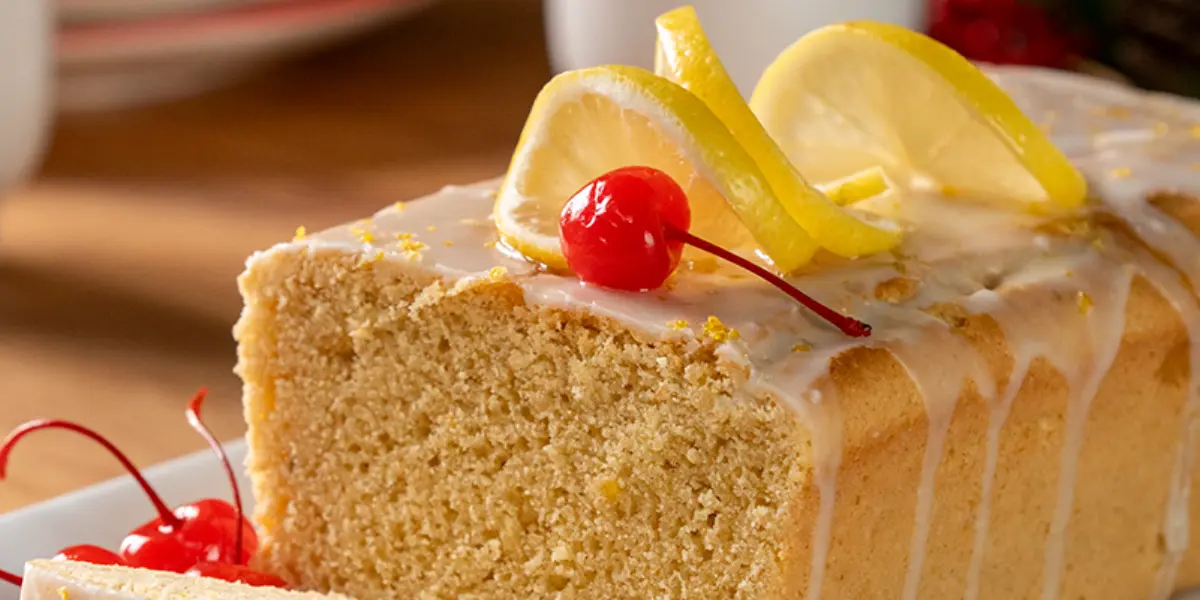
If using glaze, place one cake layer on a serving plate and drizzle some glaze over the top. Add the second layer and pour the remaining glaze over the top, allowing it to drip slightly down the sides.
If using frosting, spread an even layer over the first cake layer. Place the second layer on top and frost the top and sides evenly.
Smooth the surface with an offset spatula or create decorative swirls for texture. Allow the glaze or frosting to set slightly before slicing.
Texture And Flavor Profile
This dairy-free lemon cake recipe produces a soft, tender crumb with a bright citrus aroma. The oil keeps it moist without feeling heavy.
The lemon flavor is fresh and balanced, not overly sharp. The zest provides fragrant notes, while the juice delivers gentle tang.
Each slice tastes light yet satisfying, making it perfect for warm weather gatherings or afternoon tea.
Storage And Shelf Life
Store the cake in an airtight container at room temperature for up to two days. If frosted, refrigerate it to maintain structure.
In the refrigerator, it stays fresh for up to five days. Let slices come to room temperature before serving for the best texture.
You can freeze unfrosted cake layers wrapped tightly in plastic wrap for up to two months. Thaw overnight in the refrigerator before glazing or frosting.
Helpful Tips For Success
Use fresh lemon juice rather than bottled for the best flavor. Fresh zest also makes a significant difference in aroma.
Measure flour properly by spooning it into the measuring cup and leveling it off. Too much flour can make the cake dry.
Do not skip rubbing the zest into the sugar. This simple step intensifies the lemon flavor throughout the batter.
Allow the cake to cool completely before glazing or frosting. Warm cake will melt the topping and affect the final appearance.
Flavor Variations
Add one tablespoon of poppy seeds to the batter for a lemon poppy seed version. The seeds add texture and visual appeal.
Stir in a teaspoon of almond extract for a subtle nutty undertone. It pairs beautifully with lemon.
For a berry twist, layer fresh raspberries between the cake layers before frosting. The tart berries complement the citrus flavor.
A light dusting of powdered sugar can also replace glaze or frosting if you prefer a simpler presentation.
Making It Egg-Free
If you need an egg-free version, replace each egg with a flax egg made from one tablespoon ground flaxseed mixed with three tablespoons water. Let it sit for five minutes before adding.
The texture will be slightly denser but still moist and flavorful. Make sure to mix thoroughly to distribute the flax evenly.
Egg-free versions benefit from an extra tablespoon of almond milk for added moisture.
Why This Recipe Works
The combination of oil and almond milk provides moisture without dairy. Lemon juice reacts with baking soda to create lift and tenderness.
Eggs provide structure while keeping the crumb light. The balance of acid and sugar prevents the cake from tasting overly tart.
Because the ingredients are well balanced, the cake remains soft even after refrigeration.
Final Thoughts
Dairy-free lemon cake recipe delivers fresh citrus flavor and soft texture without relying on butter or milk. The method is simple, the ingredients are accessible, and the results are consistently impressive.
With clear steps and reliable measurements, you can bake this cake confidently for any occasion. Once you taste the bright lemon flavor and tender crumb, this recipe will likely become a regular favorite in your kitchen.