Simple White Wedding Cake Base Recipe
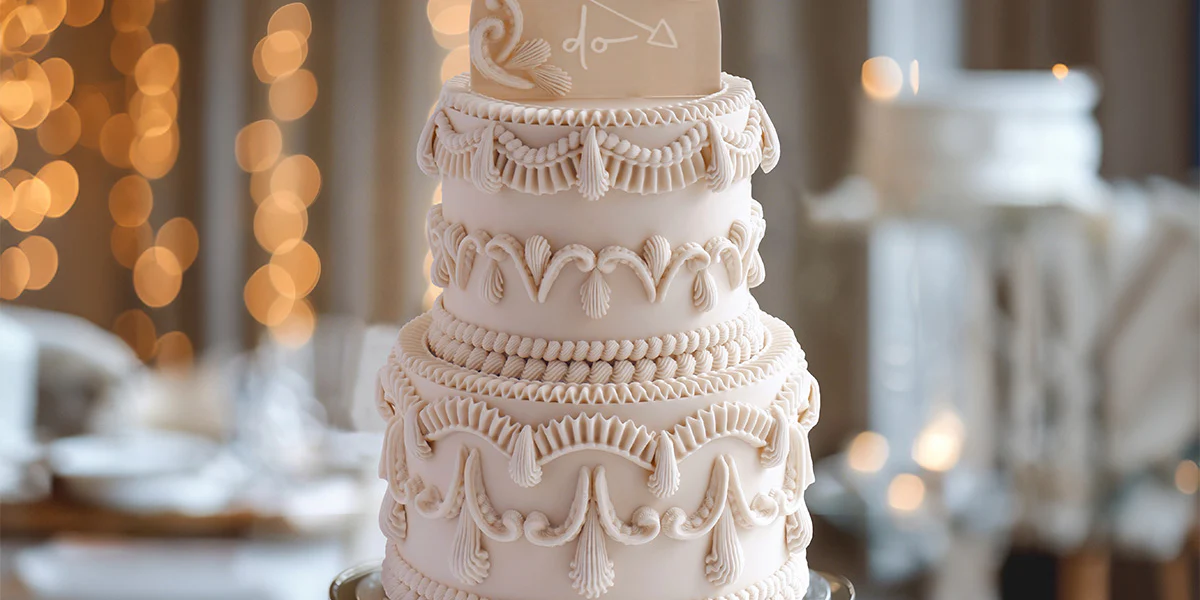
Simple White Wedding Cake Base Recipe is the foundation I rely on whenever I need a sturdy, elegant, and beautifully flavored white cake for layering and decorating. This cake is soft yet structured, moist but firm enough to stack into tiers, and neutral enough in flavor to pair with almost any filling or frosting. I use this base for wedding cakes, anniversary cakes, and formal celebrations because it holds up under fondant, buttercream, and intricate piping without losing its tenderness.
A proper white wedding cake is different from a standard vanilla cake. It uses egg whites instead of whole eggs to maintain a pale crumb, and the mixing method focuses on building structure while keeping the texture fine and delicate. If you follow this guide carefully, you will have a dependable base recipe that can be scaled up for larger tiers or adapted for different fillings.
Below is everything you need, from precise measurements to step-by-step instructions, so you can bake this cake with confidence.
Ingredients For The Cake Batter
Measuring accurately is essential for wedding cakes because structure matters just as much as flavor. I weigh ingredients whenever possible to ensure consistency.
- 3 cups (360 g) cake flour, sifted
- 2 1/2 teaspoons baking powder
- 1/2 teaspoon salt
- 1 cup (225 g) unsalted butter, softened
- 2 cups (400 g) granulated sugar
- 6 large egg whites, room temperature
- 1 tablespoon pure vanilla extract
- 1/2 teaspoon almond extract
- 1 cup (240 ml) whole milk, room temperature
- 1/2 cup (120 ml) sour cream, room temperature
Cake flour gives this recipe a tender crumb, while sour cream adds moisture and stability. The combination of vanilla and almond extract creates the classic wedding cake flavor that feels light and refined.
Preparing The Pans And Oven
I preheat the oven to 350°F (175°C). For a standard layer cake, I grease and line two 9-inch round cake pans with parchment paper.
If I am preparing this recipe for stacking tiers, I sometimes use three 8-inch pans for slightly thicker layers. Proper greasing and parchment lining prevent sticking and protect the delicate crumb during removal.
Mixing The Dry Ingredients
In a medium bowl, I whisk together the sifted cake flour, baking powder, and salt. Whisking ensures the leavening agents are evenly distributed, which promotes an even rise.
Cake flour can clump easily, so sifting helps maintain a fine, uniform texture. I set this bowl aside while preparing the butter mixture.
Creaming Butter And Sugar
In a large mixing bowl, I beat the softened butter on medium speed until smooth and creamy. Gradually, I add the granulated sugar and continue beating for about four to five minutes.
The mixture should become pale and fluffy, which means enough air has been incorporated. This step plays a major role in the final texture of the cake.
Adding Egg Whites And Extracts
I add the egg whites one at a time, mixing well after each addition. Egg whites create a bright white crumb and provide structure without adding color.
Once fully incorporated, I mix in the vanilla and almond extracts. The batter should look smooth and slightly thick at this stage.
Incorporating Dry Ingredients And Liquids
I reduce the mixer speed to low and add the dry ingredients in three additions, alternating with the milk and sour cream. I begin and end with the flour mixture.
Mixing just until combined prevents overdeveloping the gluten, which can make the cake tough. The finished batter should be smooth, light, and moderately thick.
Filling The Pans And Baking
I divide the batter evenly between the prepared pans and gently smooth the tops with a spatula. Tapping the pans lightly on the counter helps release any trapped air bubbles.
The cakes bake for 25 to 30 minutes. I check for doneness by inserting a toothpick into the center. If it comes out clean and the surface springs back lightly when touched, the cakes are ready.
After baking, I allow the cakes to cool in the pans for about 15 minutes before transferring them to wire racks to cool completely.
Leveling And Preparing For Assembly
Once the layers are completely cool, I use a serrated knife to level the tops if necessary. Wedding cakes require flat, even layers for stable stacking.
If I am assembling the cake later, I wrap each layer tightly in plastic wrap and chill them. Slightly chilled layers are easier to frost and stack without crumbling.
Texture And Flavor Profile
This white wedding cake base has a fine, tender crumb that feels soft yet sturdy. The flavor is lightly sweet with delicate vanilla and almond notes.
The sour cream keeps the cake moist without making it heavy. Each slice holds its shape beautifully, which makes it ideal for layered cakes with fillings such as raspberry preserves, lemon curd, or buttercream.
Pairing With Fillings And Frostings
This cake base works well with a variety of frostings. I often pair it with classic vanilla buttercream, Swiss meringue buttercream, or cream cheese frosting.
For weddings, I sometimes fill the layers with fruit preserves and a thin layer of buttercream to add flavor contrast. The neutral base allows the filling to shine without overpowering the cake.
Scaling For Tiers
If you plan to build a tiered cake, this recipe can be doubled or tripled easily. For larger tiers, I use cake boards and proper doweling for support.
Each tier should be fully cooled and leveled before stacking. Stability is essential for presentation and safe transport.
Storage And Make-Ahead Tips
The unfrosted cake layers can be wrapped tightly and stored at room temperature for one day. For longer storage, I refrigerate or freeze them.
Freezing actually helps lock in moisture. I wrap each layer in plastic wrap and then foil before freezing. When ready to use, I allow the layers to thaw at room temperature while still wrapped to prevent condensation from soaking into the cake.
Troubleshooting Common Issues
If the cake appears dense, the butter and sugar may not have been creamed long enough. Adequate aeration is crucial for a light texture.
If the cake sinks in the center, it may have been underbaked or the oven door opened too early. Consistent oven temperature is important for proper structure.
If the crumb turns slightly yellow, double-check that only egg whites were used and that the butter was not overly warm during mixing.
Final Thoughts
Simple White Wedding Cake Base Recipe is a reliable foundation for elegant celebration cakes. The soft white crumb, subtle flavor, and sturdy structure make it perfect for layering and decorating.
Baking this cake from scratch allows full control over texture and taste, ensuring a beautiful result worthy of any special occasion. With careful measuring, proper mixing, and patient cooling, you can create a wedding cake base that looks refined and tastes delicate in every slice.