
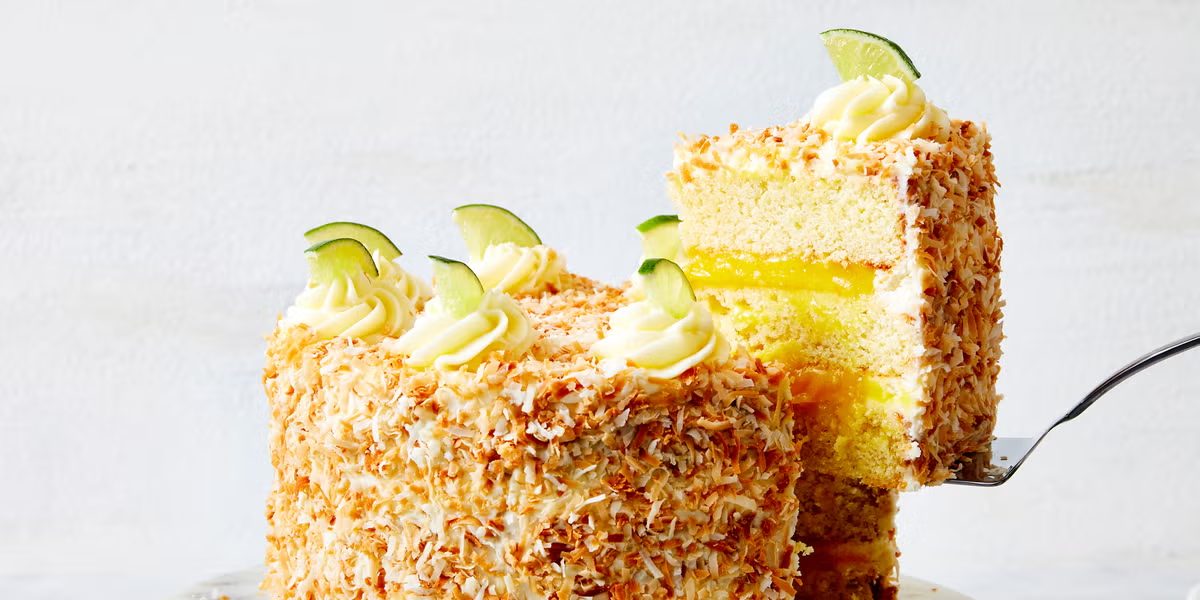
Southern-Style Coconut Layer Cake is the kind of dessert that commands attention the moment it reaches the table. Tall, snowy, and covered in soft flakes of coconut, it looks delicate, yet each slice delivers a rich, buttery crumb and luscious frosting that feels deeply comforting. I bake this cake when I want something timeless, elegant, and rooted in tradition, the sort of cake that feels at home at Easter gatherings, Sunday suppers, and milestone celebrations.
The beauty of this cake lies in its balance. The layers are tender and moist with a gentle coconut flavor, while the frosting is creamy and light without being overly sweet. Sweetened shredded coconut coats the exterior, giving texture and a signature Southern finish. If you follow the steps carefully and allow yourself enough time for cooling and assembly, you will be rewarded with a bakery-worthy layer cake made entirely from scratch.
This recipe is detailed so you can move confidently from ingredients to final slice without second-guessing anything.
Ingredients For Southern-Style Coconut Layer Cake
The ingredients are straightforward pantry staples, but quality makes a difference. Room temperature butter, eggs, and milk help everything blend smoothly and create a fine crumb.
For the cake layers:
- 3 cups (375 g) all-purpose flour
- 1 tablespoon baking powder
- 1/2 teaspoon baking soda
- 1/2 teaspoon salt
- 1 cup (225 g) unsalted butter, softened
- 2 cups (400 g) granulated sugar
- 5 large eggs, room temperature
- 1 tablespoon pure vanilla extract
- 1 teaspoon coconut extract
- 1 cup (240 ml) whole milk, room temperature
- 1 cup (240 ml) full-fat coconut milk, well stirred
For the coconut frosting:
- 1 cup (225 g) unsalted butter, softened
- 8 ounces (225 g) cream cheese, softened
- 5 cups (600 g) powdered sugar
- 2 tablespoons heavy cream
- 1 teaspoon vanilla extract
- 1/2 teaspoon coconut extract
For decoration:
- 3 to 4 cups sweetened shredded coconut
I measure everything before I begin mixing. Having the ingredients prepared and ready keeps the process smooth and prevents mistakes.
Preparing The Cake Pans And Oven
I preheat the oven to 350°F (175°C). For this recipe, I use three 8-inch round cake pans to create a tall, classic Southern layer cake. I grease the pans thoroughly with butter, line the bottoms with parchment paper, and lightly flour the sides.
Proper preparation ensures the layers release cleanly after baking. A stuck cake layer can tear and make assembly more difficult, so I never skip this step.
Mixing The Dry Ingredients
In a medium bowl, I whisk together the flour, baking powder, baking soda, and salt. Whisking evenly distributes the leavening agents throughout the flour. This step helps the cake rise evenly and maintain a consistent texture.
I set the dry mixture aside while I work on the butter and sugar base.
Creaming Butter And Sugar
In the bowl of my stand mixer, I beat the softened butter on medium speed until smooth and creamy. Gradually, I add the granulated sugar and continue beating for about four to five minutes. The mixture becomes pale and fluffy, which tells me enough air has been incorporated.
This stage builds the foundation of the cake’s texture. Proper creaming creates a light crumb and prevents the layers from feeling dense.
Adding Eggs And Extracts
I add the eggs one at a time, beating well after each addition. Adding them slowly prevents the batter from curdling and ensures a smooth mixture. After all the eggs are incorporated, I mix in the vanilla and coconut extracts.
The combination of vanilla and coconut extract gives depth without overpowering the cake. The aroma at this stage already hints at the flavor to come.
Incorporating Milk And Flour
In a measuring cup, I combine the whole milk and coconut milk, stirring well so the coconut milk is fully blended. With the mixer on low speed, I add the dry ingredients in three additions, alternating with the milk mixture in two additions. I begin and end with the dry ingredients.
I mix just until everything is combined. Overmixing can develop too much gluten, which leads to a tougher cake rather than a tender one.
Dividing And Baking The Batter
I divide the batter evenly among the prepared pans, smoothing the tops gently with a spatula. To ensure even layers, I sometimes weigh the pans on a kitchen scale. Even distribution prevents one layer from being thicker than the others.
The cakes bake for 22 to 28 minutes. I check for doneness by inserting a toothpick into the center of each cake. If it comes out clean or with a few moist crumbs, they are ready.
After removing the pans from the oven, I allow the cakes to cool for 10 minutes before turning them out onto wire racks. They must cool completely before frosting, otherwise the frosting will melt and slide.
Making The Coconut Frosting
While the cakes cool, I prepare the frosting. In a large bowl, I beat the softened butter and cream cheese together until smooth and creamy. This mixture should have no lumps before adding the sugar.
Gradually, I add the powdered sugar one cup at a time, mixing on low speed to prevent a sugar cloud. Once incorporated, I add the heavy cream, vanilla extract, and coconut extract. I beat the frosting until light and fluffy, about three minutes.
The texture should be spreadable but firm enough to hold its shape. If it feels too soft, I chill it briefly before assembling the cake.
Leveling The Cake Layers
Once the cakes are completely cool, I check if they have domed tops. If necessary, I use a serrated knife to level them carefully. Flat layers stack more neatly and create a stable finished cake.
I brush away loose crumbs before frosting to keep the layers clean.
Assembling The Cake
I place the first layer on a cake stand or serving plate. I spread a generous layer of coconut frosting evenly across the top. The frosting should reach close to the edges without spilling over.
I repeat this process with the second layer. After placing the final layer on top, I apply a thin crumb coat of frosting around the entire cake. This thin layer traps crumbs and creates a smooth base for the final coat.
I refrigerate the cake for about 20 minutes to set the crumb coat. Once firm, I apply a thicker layer of frosting around the sides and over the top, smoothing it gently with an offset spatula.
Adding The Coconut Finish
To create the signature Southern look, I press sweetened shredded coconut onto the sides and top of the cake. I hold a handful of coconut in my palm and gently press it against the frosting, working my way around the cake.
The coconut adheres best when the frosting is fresh and slightly soft. I cover the top generously, allowing some flakes to fall naturally for a textured finish.
The result is a cake that looks snowy and abundant.
Texture And Flavor Profile
This cake has a soft, buttery crumb with a subtle coconut flavor woven throughout. The combination of whole milk and coconut milk keeps the layers moist without feeling heavy. The frosting is creamy with a slight tang from the cream cheese, which balances the sweetness beautifully.
The shredded coconut adds texture and a gentle chew. Each bite delivers softness, creaminess, and a delicate coconut aroma that lingers pleasantly.
Storage And Make-Ahead Tips
Because the frosting contains cream cheese, I store the cake in the refrigerator. I cover it loosely with plastic wrap or place it in a cake container to prevent it from drying out. Before serving, I let it sit at room temperature for about 30 minutes to soften.
The cake layers can be baked a day in advance and wrapped tightly in plastic wrap once cooled. The frosting can also be made ahead and refrigerated, then rewhipped before use.
Troubleshooting Common Issues
If the cake layers turn out dense, the butter and sugar may not have been creamed long enough. Proper aeration is essential for lightness. Overmixing after adding the flour can also affect texture.
If the frosting feels too thin, additional powdered sugar can thicken it slightly. If it feels too stiff, a small splash of cream will loosen it.
If the coconut does not stick well to the sides, gently press it into freshly frosted areas rather than waiting too long.
Serving Suggestions
I slice this cake with a long, sharp knife wiped clean between cuts. Clean slices showcase the distinct layers and creamy filling. It pairs beautifully with hot coffee or iced tea, making it perfect for gatherings.
This cake also works well as a centerpiece for holiday tables. Its bright white finish and tall structure make it visually striking.
Final Thoughts
Southern-Style Coconut Layer Cake carries a sense of tradition and comfort that few desserts can match. The tender layers, creamy frosting, and generous coconut coating come together in a cake that feels both elegant and welcoming. Each step builds toward a dessert that looks impressive yet relies on straightforward techniques.
Baking this cake from scratch gives you complete control over flavor and texture. With patience and careful attention to detail, you can create a coconut layer cake that tastes as beautiful as it looks. Once you slice into it and see those soft layers beneath the snowy coconut exterior, you will know the effort was worth it.