
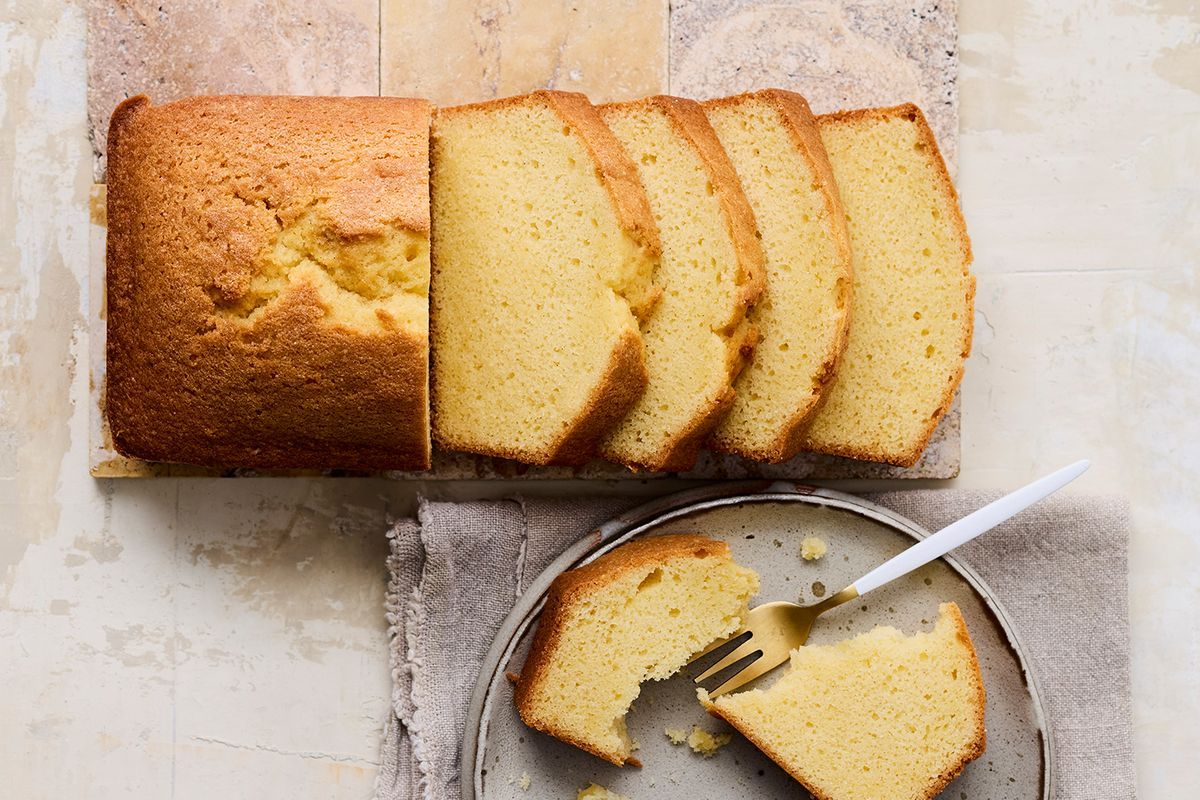
Golden Pound Cake with Vanilla Glaze is the kind of recipe that proves simple ingredients can produce extraordinary results. The crust bakes into a deep golden hue, the interior stays dense yet tender, and the vanilla glaze settles over the top in a thin, sweet layer that gently drips down the sides. I rely on this cake when I want something classic, sturdy, and deeply buttery without complicated steps or decorative fuss.
This is a true pound cake in texture and flavor, rich with butter and balanced with sugar and eggs. The method is straightforward, but precision matters at each stage. If you follow the steps carefully and give proper attention to mixing and baking time, you will end up with a moist, tight-crumbed cake that slices beautifully and tastes even better the next day.
Everything you need is outlined clearly below so you can read, measure, mix, bake, glaze, and serve without guessing.
Ingredients For Golden Pound Cake
I measure everything carefully for pound cake because the structure depends on balance. Using room temperature ingredients ensures a smooth batter and even rise.
For the pound cake:
- 1 1/2 cups (340 g) unsalted butter, softened
- 2 3/4 cups (550 g) granulated sugar
- 5 large eggs, room temperature
- 3 cups (375 g) all-purpose flour
- 1/2 teaspoon salt
- 1 cup (240 ml) whole milk, room temperature
- 2 teaspoons pure vanilla extract
For the vanilla glaze:
- 1 1/2 cups (180 g) powdered sugar, sifted
- 2 to 3 tablespoons milk or heavy cream
- 1 teaspoon pure vanilla extract
- A small pinch of salt
High-quality butter makes a noticeable difference in flavor. Since this cake relies heavily on butter for richness, I never substitute margarine.
Equipment Needed
I bake this cake in a standard 10-inch bundt pan or a large loaf pan. A stand mixer or hand mixer is helpful for creaming the butter and sugar properly. You will also need mixing bowls, a whisk, a rubber spatula, and a cooling rack.
Before mixing, I preheat the oven to 325°F (165°C). Pound cake benefits from a slightly lower temperature, allowing the inside to cook evenly without overbrowning the crust. I grease the pan thoroughly with butter and lightly dust it with flour to prevent sticking.
Preparing The Dry Ingredients
I begin by whisking together the flour and salt in a bowl. This step distributes the salt evenly and prevents concentrated pockets in the batter. Although simple, it contributes to a consistent crumb.
I set the dry mixture aside while I focus on the butter and sugar. Having everything measured and ready keeps the process smooth and prevents overmixing later.
Creaming Butter And Sugar
The creaming stage is the backbone of a successful Golden Pound Cake with Vanilla Glaze. I place the softened butter in the mixer bowl and beat it on medium speed for about one minute until creamy and smooth. The butter should be soft but not melted, holding structure while blending easily.
I gradually add the sugar while continuing to beat. Over the next five to seven minutes, the mixture becomes pale and fluffy. This step is not rushed because proper aeration ensures the cake rises evenly and develops a fine crumb.
I scrape down the sides and bottom of the bowl midway through. Even mixing prevents dense streaks in the finished cake.
Adding The Eggs
I add the eggs one at a time, beating well after each addition. This gradual incorporation keeps the batter smooth and prevents separation. If the mixture looks slightly curdled at any point, I add a tablespoon of flour from the measured amount and beat briefly to bring it back together.
After all the eggs are fully incorporated, I mix in the vanilla extract. The batter at this stage should look glossy and thick, with a rich buttery aroma.
Incorporating Flour And Milk
With the mixer on low speed, I add the flour mixture in three additions, alternating with the milk in two additions. I begin and end with the flour. This method keeps the batter smooth and prevents it from becoming overly dense.
I mix only until the flour disappears into the batter. Overmixing can develop too much gluten, leading to a tough texture instead of the tender crumb we want. Once combined, I fold gently with a spatula to ensure no flour pockets remain.
The finished batter should be thick, creamy, and smooth. It should not be runny, but it should spread easily with a spatula.
Filling The Pan
I spoon the batter into the prepared pan, spreading it evenly. I tap the pan lightly on the counter to release any trapped air bubbles. This step helps prevent large holes in the finished cake.
I smooth the top gently with a spatula to encourage even baking. The batter should fill the pan without overflowing, leaving space for the cake to rise.
Baking The Pound Cake
I place the pan in the center of the preheated oven. The cake bakes for approximately 70 to 80 minutes, depending on the pan and oven. I begin checking at the 70-minute mark by inserting a long skewer or toothpick into the center.
If it comes out clean or with a few moist crumbs, the cake is ready. The top should be deep golden and slightly cracked along the surface. That crack is characteristic of a properly baked pound cake.
I avoid opening the oven during the first hour to prevent collapse. Once baked, I remove the cake and let it cool in the pan for 15 to 20 minutes before turning it out onto a wire rack.
Cooling Properly
I carefully run a knife along the edges to loosen the cake. Then I invert it onto a cooling rack and lift off the pan gently. If the pan was greased properly, it should release cleanly.
I allow the cake to cool completely before glazing. Pouring glaze over a warm cake will cause it to melt too much and become overly thin.
Making The Vanilla Glaze
The glaze for this Golden Pound Cake with Vanilla Glaze is simple but essential. I sift the powdered sugar into a bowl to remove lumps. Then I add two tablespoons of milk, vanilla extract, and a pinch of salt.
I whisk until smooth and glossy. If the glaze is too thick, I add a small splash of milk at a time until it reaches a pourable consistency. It should flow slowly off the spoon but not be watery.
The pinch of salt balances the sweetness and enhances the vanilla flavor.
Glazing The Cake
Once the cake is fully cooled, I place it on a serving plate. I spoon the glaze over the top, allowing it to drip naturally down the sides. I do not rush this step because slow pouring creates a more elegant finish.
The glaze sets within about 30 minutes, forming a thin, slightly firm layer. It adds sweetness and visual appeal without overpowering the buttery base.
If I want a thicker glaze layer, I let the first layer set slightly before adding a second drizzle.
Texture And Flavor Notes
This pound cake has a dense yet tender crumb that feels moist without being heavy. The exterior develops a slightly crisp crust that contrasts beautifully with the soft interior. The vanilla glaze adds just enough sweetness to balance the richness of the butter.
Each slice holds its shape cleanly, making it ideal for serving at gatherings or slicing for afternoon coffee. The flavor deepens slightly after resting overnight, which makes it an excellent make-ahead dessert.
Storage And Shelf Life
I store the cake covered at room temperature for up to four days. The texture remains soft, and the flavor continues to mature. If refrigerated, I bring it back to room temperature before serving for the best texture.
For longer storage, I wrap the unglazed cake tightly in plastic wrap and freeze it for up to two months. I thaw it overnight in the refrigerator and glaze it after it returns to room temperature.
Troubleshooting Common Issues
If the cake turns out dry, it may have been overbaked. Checking early and monitoring closely in the final minutes prevents this. Using a reliable oven thermometer also helps ensure accurate temperature.
If the cake sinks in the middle, the oven door may have been opened too early. Underbaking can also cause collapse, so I always test the center carefully.
If the texture feels heavy, the butter and sugar may not have been creamed long enough. Proper aeration during that stage is crucial for structure.
Serving Ideas
I serve Golden Pound Cake with Vanilla Glaze in thick slices alongside fresh berries or a dollop of whipped cream. It pairs beautifully with tea or coffee and works well as a simple dessert after dinner.
For a slightly different presentation, I toast slices lightly and serve them with fruit compote. The sturdy crumb holds up well to additional toppings without becoming soggy.
The cake also makes a wonderful base for layered desserts, cut into cubes and layered with custard and fruit.
Final Thoughts
Golden Pound Cake with Vanilla Glaze remains one of the most reliable and satisfying cakes I bake. The method is straightforward, the ingredients are familiar, and the results are consistently rich and flavorful. With careful creaming, gentle mixing, and patient baking, you will have a golden cake with a tender crumb and a smooth vanilla finish.
Once you slice into it and see the fine texture inside, you will understand why this classic has endured for generations. It delivers comfort, elegance, and pure buttery flavor in every bite.