Fresh Fig Honey Cake
Fresh fig honey cake captures the deep, floral sweetness of ripe figs and the warm richness of honey in a soft, tender crumb. I bake this cake when figs are in season and their delicate flavor deserves to be the center of attention. The honey seeps into the batter and enhances the natural sugars of the fruit, while a gentle hint of spice rounds everything out.
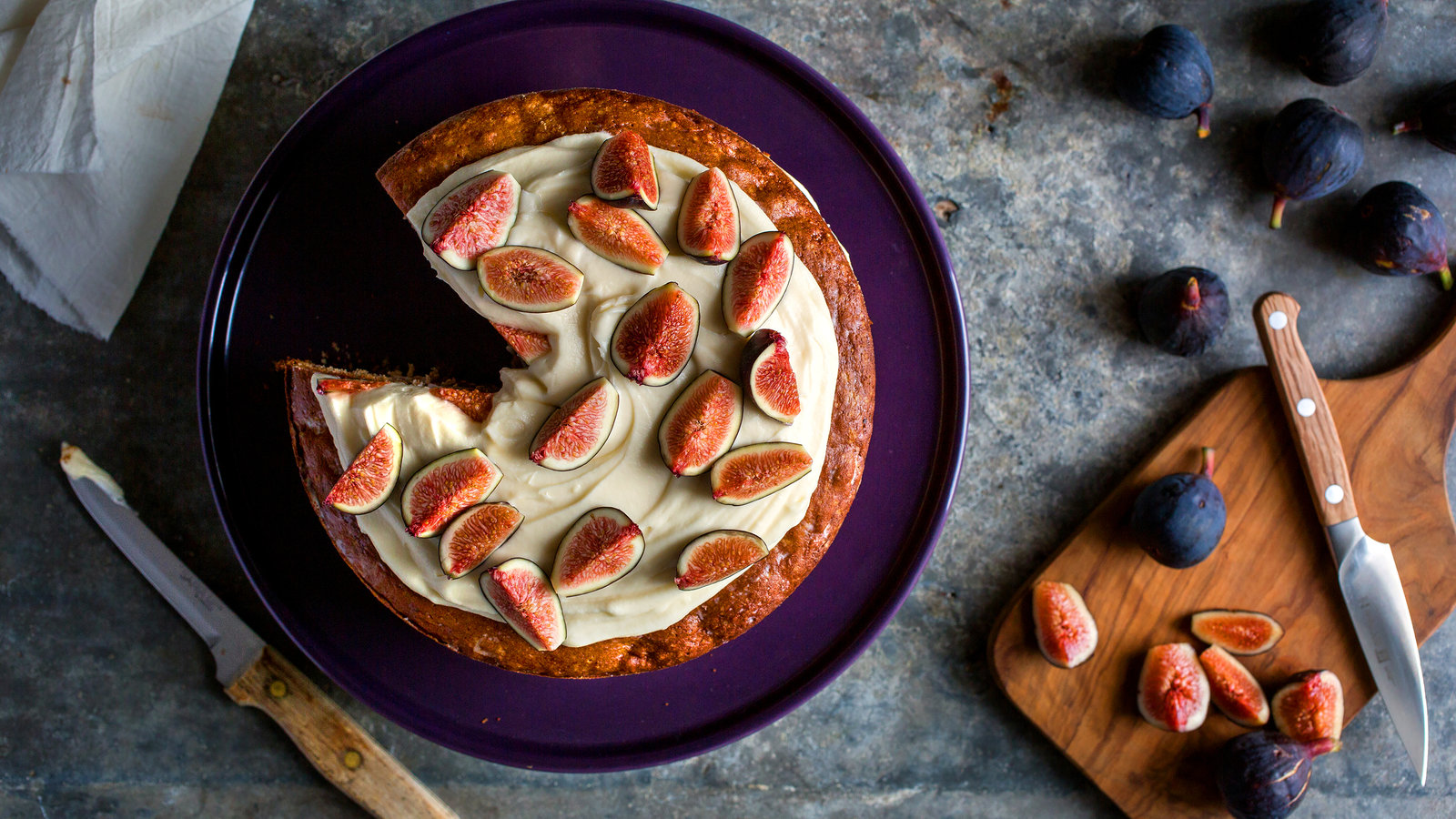
This cake feels rustic yet elegant. Sliced figs bake into the top and create jewel-like pockets that turn jammy in the oven. The honey keeps the crumb moist without making it heavy, and the finished cake tastes even better after resting for a few hours. If you follow the steps carefully, you can bring this seasonal bake together with confidence and enjoy a beautifully balanced dessert.
Ingredients For The Fresh Fig Honey Cake
I gather and measure all ingredients before starting. This helps keep the mixing process smooth and prevents overworking the batter.
For the cake you will need:
- 2 cups all-purpose flour
- 1 1/2 teaspoons baking powder
- 1/2 teaspoon baking soda
- 1/2 teaspoon salt
- 1/2 teaspoon ground cinnamon
- 1/4 teaspoon ground cardamom (optional but recommended)
- 1/2 cup unsalted butter, softened
- 1/3 cup vegetable oil
- 3/4 cup granulated sugar
- 1/2 cup good-quality honey
- 3 large eggs, room temperature
- 1 teaspoon pure vanilla extract
- 3/4 cup plain Greek yogurt or sour cream, room temperature
- 1/4 cup whole milk, room temperature
- 8 to 10 fresh figs, stems removed and sliced
For a light honey finish:
- 2 tablespoons honey
- 1 tablespoon warm water
Using ripe but firm figs ensures they hold their shape while baking. Overripe figs can release too much moisture and affect the texture.
Preparing The Pan And Oven
I preheat the oven to 350°F (175°C) and allow it to fully heat before placing the cake inside. Even temperature is essential for proper rise and structure.
For this recipe, I use a 9-inch round cake pan or a springform pan. I grease it thoroughly with butter and line the bottom with parchment paper. This guarantees an easy release once baked.
Mixing The Dry Ingredients
In a medium bowl, I whisk together the flour, baking powder, baking soda, salt, cinnamon, and cardamom. Whisking evenly distributes the leavening and spices.
The spice blend remains subtle but enhances the honey and fig flavors beautifully. I set this bowl aside while I prepare the wet mixture.
Creaming Butter, Oil, Sugar, And Honey
In a large mixing bowl, I beat the softened butter until smooth and creamy. I add the vegetable oil and mix until combined.
Next, I add the granulated sugar and honey. I beat the mixture until it becomes light and slightly fluffy. Honey adds moisture and a gentle floral sweetness that deepens during baking.
Adding Eggs And Vanilla
I add the eggs one at a time, beating well after each addition. The batter may look slightly separated, but it smooths out as mixing continues.
Then I stir in the vanilla extract. The aroma at this stage is warm and fragrant, with honey taking the lead.
Incorporating Yogurt And Milk
In a small bowl, I combine the Greek yogurt and milk until smooth. This mixture ensures a tender crumb and balanced moisture.
I add the dry ingredients to the butter mixture in two additions, alternating with the yogurt mixture. I begin and end with the flour mixture. I fold gently with a spatula until just combined, being careful not to overmix.
Preparing And Arranging The Figs
I slice the fresh figs into halves or thick slices depending on their size. Some will go into the batter, while others will decorate the top.
I fold about half of the fig slices gently into the batter. Then I pour the batter into the prepared pan and smooth the surface.
I arrange the remaining fig slices on top in a circular pattern. Pressing them lightly into the batter ensures they stay in place while baking.
Baking The Fresh Fig Honey Cake
I place the cake in the center of the oven and bake for 40 to 50 minutes. I begin checking around 40 minutes. A toothpick inserted into the center should come out clean or with a few moist crumbs.
The top should be golden and slightly caramelized around the figs. If the cake browns too quickly, I loosely cover it with foil during the last 10 minutes.
Once baked, I allow the cake to cool in the pan for 15 minutes before transferring it to a wire rack to cool completely.
Adding The Honey Finish
In a small bowl, I mix two tablespoons of honey with one tablespoon of warm water. While the cake is still slightly warm, I brush this mixture gently over the top.
This step adds a glossy finish and intensifies the honey flavor without making the cake overly sweet. It also enhances the visual appeal of the figs.
Texture And Flavor Profile
The finished cake has a soft, moist crumb with subtle warmth from cinnamon and cardamom. The honey provides depth and richness without overpowering the fruit.
The figs turn tender and jammy as they bake, offering bursts of natural sweetness. Their slightly earthy flavor pairs beautifully with the floral notes of honey.
Storage Tips
I store this cake in an airtight container at room temperature for up to two days. Because fresh figs contain moisture, refrigeration is recommended if keeping it longer.
In the refrigerator, it stays fresh for up to five days. I allow slices to come to room temperature before serving so the honey flavor and texture shine.
This cake can also be frozen without the honey glaze. I wrap it tightly and store for up to two months, then thaw and brush with fresh honey before serving.
Variations To Try
For added texture, I sometimes sprinkle chopped toasted walnuts or pistachios over the top before baking. The crunch contrasts beautifully with the soft crumb.
A teaspoon of orange zest can brighten the flavor profile and complement the figs. You can also substitute part of the honey with maple syrup for a slightly different depth.
If figs are unavailable, sliced pears or plums work well in this recipe, though the flavor will change slightly.
Common Mistakes To Avoid
Using underripe figs will result in less sweetness and a firmer texture. Fully ripe but still firm figs deliver the best flavor and consistency.
Overmixing once the flour is added can create a dense crumb. Gentle folding preserves softness.
Skipping the parchment lining can make removal difficult, especially if fig juices caramelize along the edges.
Serving Suggestions
I slice this cake with a sharp serrated knife, wiping it clean between cuts. The fig-studded top makes each slice visually striking.
It pairs beautifully with tea, coffee, or a dollop of lightly sweetened whipped cream. For a more decadent dessert, I sometimes serve it with a spoonful of mascarpone and an extra drizzle of honey.
Final Thoughts
Fresh fig honey cake celebrates seasonal fruit in a moist, tender bake that feels both rustic and refined. The honey enhances the figs’ natural sweetness, while subtle spices add warmth and depth.
By following these clear steps, you can confidently create a cake that highlights fresh ingredients and balanced flavor. Each slice delivers soft crumb, jammy fruit, and a gentle honey finish that makes this recipe worth revisiting whenever figs are in season.