
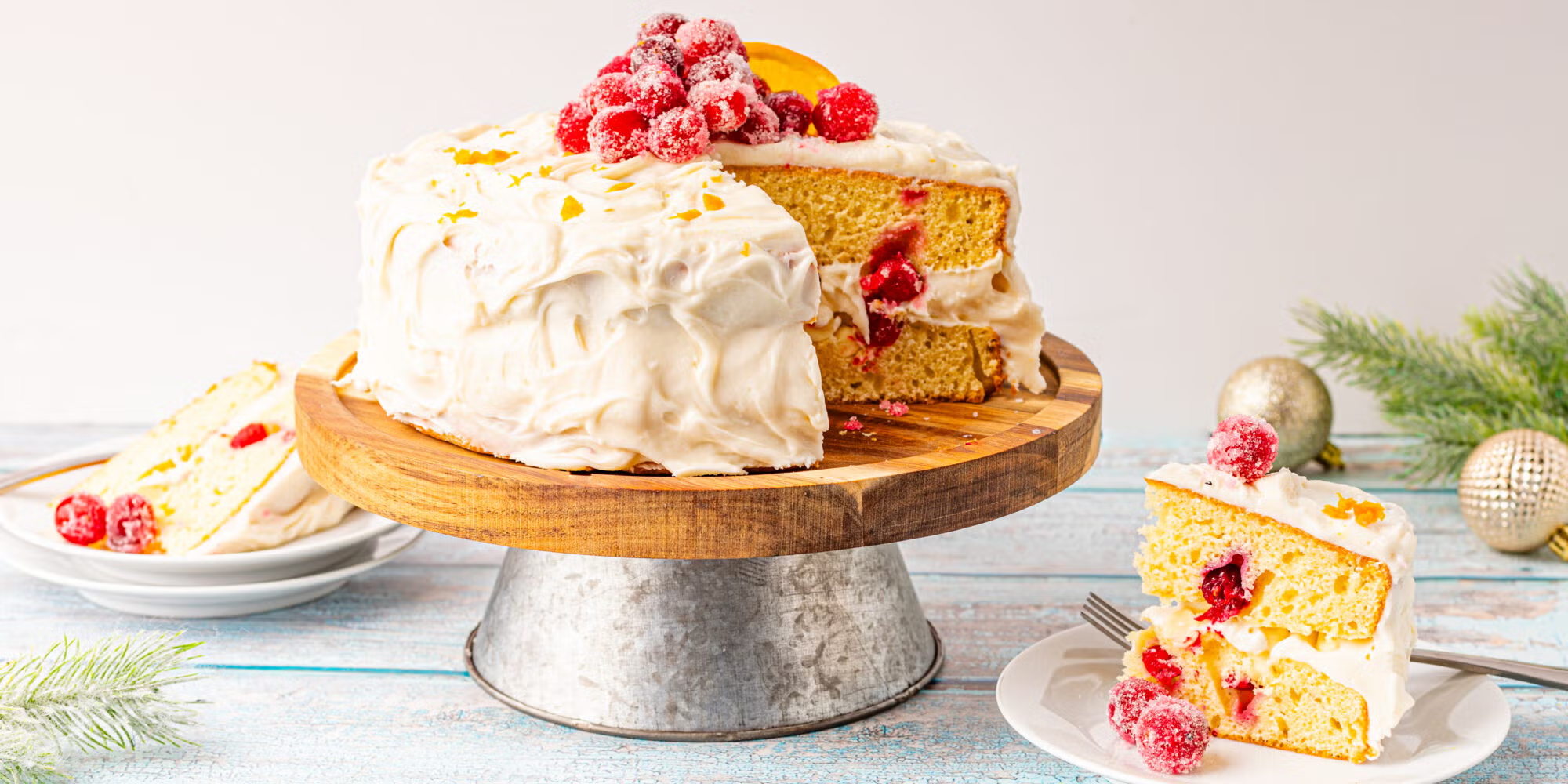
Cranberry orange holiday cake brings brightness and warmth together in one festive, deeply flavorful dessert. I bake this cake when I want something that feels seasonal without being overly heavy, a cake that carries citrus fragrance through the kitchen while tart cranberries burst gently in the oven. The combination of sweet orange zest, fresh cranberries, and a soft, buttery crumb makes this cake ideal for gatherings, celebrations, or simply a cozy winter afternoon.
This recipe is designed to give you a moist, tender cake layered with vibrant flavor. The orange zest perfumes the batter, the cranberries provide pops of tartness, and a glossy orange glaze seals everything with a sweet finish. If you follow the steps carefully, you can move from mixing bowl to beautiful holiday centerpiece without guesswork.
Ingredients For The Cake Batter
I measure everything before I begin to keep the process smooth and prevent overmixing later. Room temperature ingredients are especially important for even blending.
For the cake you will need:
- 2 1/2 cups all-purpose flour
- 2 teaspoons baking powder
- 1/2 teaspoon baking soda
- 1/2 teaspoon salt
- 1 teaspoon ground cinnamon
- 1/4 teaspoon ground nutmeg
- 3/4 cup unsalted butter, softened
- 1/4 cup vegetable oil
- 1 1/2 cups granulated sugar
- 4 large eggs, room temperature
- Zest of 2 large oranges
- 1/3 cup freshly squeezed orange juice
- 1 teaspoon pure vanilla extract
- 3/4 cup sour cream, room temperature
- 1 1/2 cups fresh cranberries
- 1 tablespoon flour (for tossing cranberries)
The blend of butter and oil ensures flavor and moisture. Sour cream contributes richness and keeps the crumb tender for days.
Ingredients For The Orange Glaze
The glaze adds sweetness and intensifies the citrus flavor.
- 1 1/2 cups powdered sugar
- 3 to 4 tablespoons freshly squeezed orange juice
- 1/2 teaspoon orange zest
Fresh juice and zest make the glaze bright and fragrant, tying the entire cake together.
Preparing The Pan And Oven
I preheat the oven to 350°F (175°C) and allow it to fully heat before baking. Consistent temperature ensures the cake rises evenly and develops a golden exterior.
For this recipe, I use a 10-inch Bundt pan. I grease it thoroughly with butter, making sure to coat every curve and crevice, then lightly dust it with flour. Bundt pans can be tricky, so proper preparation prevents sticking.
Mixing The Dry Ingredients
In a medium bowl, I whisk together the flour, baking powder, baking soda, salt, cinnamon, and nutmeg. Whisking distributes the leavening agents and spices evenly throughout the flour.
The warm spice blend complements the tart cranberries and citrus notes without overpowering them. I set the bowl aside and begin working on the wet ingredients.
Creaming Butter, Oil, And Sugar
In a large mixing bowl, I beat the softened butter until creamy and pale. I then add the vegetable oil and continue mixing until smooth.
Gradually, I add the granulated sugar and beat until the mixture looks fluffy and light. This step incorporates air into the batter, which contributes to a tender crumb.
Adding Eggs And Flavor
I add the eggs one at a time, mixing well after each addition. The batter may look slightly separated, but it smooths out as it blends.
Next, I stir in the orange zest, orange juice, and vanilla extract. The citrus aroma becomes pronounced at this stage, and the batter takes on a glossy texture.
Incorporating Sour Cream And Flour
I mix the sour cream into the batter until fully incorporated. It thickens slightly and becomes silky.
I then add the dry ingredients in two to three additions, folding gently with a spatula until just combined. Overmixing can lead to a dense cake, so I stop once the flour disappears.
Preparing And Folding The Cranberries
I toss the fresh cranberries with one tablespoon of flour to prevent them from sinking during baking. This simple step ensures even distribution throughout the cake.
Using a spatula, I gently fold the cranberries into the batter. Some may crack slightly, which adds beautiful red streaks in the final cake.
Filling The Bundt Pan And Baking
I spoon the batter evenly into the prepared Bundt pan, smoothing the top with a spatula. I tap the pan lightly on the counter to release air bubbles.
The cake bakes for 50 to 60 minutes. I begin checking at 50 minutes. A toothpick inserted into the center should come out clean or with a few moist crumbs. If the top browns too quickly, I loosely cover it with foil during the final minutes.
Once baked, I allow the cake to cool in the pan for 15 to 20 minutes. Then I carefully invert it onto a wire rack to cool completely.
Making The Orange Glaze
In a medium bowl, I whisk together powdered sugar, orange juice, and zest until smooth. The glaze should be thick but pourable.
If it feels too thick, I add a small splash of juice. If it is too thin, I add a bit more powdered sugar. The right consistency allows it to cascade down the sides of the cake beautifully.
Glazing The Cake
Once the cake is completely cool, I place it on a serving plate and slowly drizzle the glaze over the top. I let it flow naturally over the ridges and curves.
The glaze sets after about 20 minutes, forming a delicate citrus shell. For extra decoration, I sometimes add a sprinkle of finely chopped candied orange peel or a few sugared cranberries.
Texture And Flavor Profile
The finished cranberry orange holiday cake has a moist, tender crumb with bursts of tart cranberry in each slice. The orange zest and juice provide bright citrus flavor that cuts through the sweetness.
The warm spices add subtle depth without overpowering the fruit. The glaze enhances the orange notes and adds just enough sweetness to balance the tart berries.
Storage Tips
I store this cake in an airtight container at room temperature for up to three days. The moisture from the sour cream and fruit keeps it soft.
If I need to store it longer, I refrigerate it for up to five days. Before serving, I allow it to sit at room temperature so the texture softens and the flavors bloom fully.
This cake also freezes well without the glaze. I wrap it tightly in plastic wrap and foil for up to three months, then thaw and glaze before serving.
Variations To Try
For added crunch, I sometimes fold in 1/2 cup of chopped pecans or walnuts. The nutty texture pairs beautifully with the citrus and cranberry.
You can also add a teaspoon of almond extract for subtle depth. If you prefer a loaf presentation, this recipe can be divided into two loaf pans and baked for slightly less time.
Dried cranberries can be used if fresh are unavailable, though the texture will differ slightly. I reduce the amount slightly and soak them briefly in orange juice before adding to the batter.
Common Mistakes To Avoid
Not greasing the Bundt pan thoroughly can lead to sticking. Taking time to coat every detail ensures a clean release.
Overmixing once the flour is added can create a dense texture. Gentle folding preserves the cake’s softness.
Using bottled orange juice reduces the brightness of flavor. Freshly squeezed juice provides a noticeable difference in both aroma and taste.
Serving Suggestions
I slice this cake with a long serrated knife, wiping it clean between cuts for neat slices. The red cranberries contrast beautifully against the golden crumb.
This cake pairs wonderfully with coffee, tea, or even warm apple cider. It makes an elegant addition to holiday dessert tables and also works well as a make-ahead treat for guests.
Final Thoughts
Cranberry orange holiday cake combines citrus brightness, tart berries, and warm spice in a moist, beautifully textured dessert. The glaze enhances the flavor and gives it a festive finish worthy of any celebration.
By following these clear, step-by-step instructions, you can confidently bake a cake that feels seasonal, vibrant, and deeply satisfying. Each slice delivers tender crumb, bursts of cranberry, and refreshing orange flavor, making it a memorable centerpiece for any holiday gathering.