
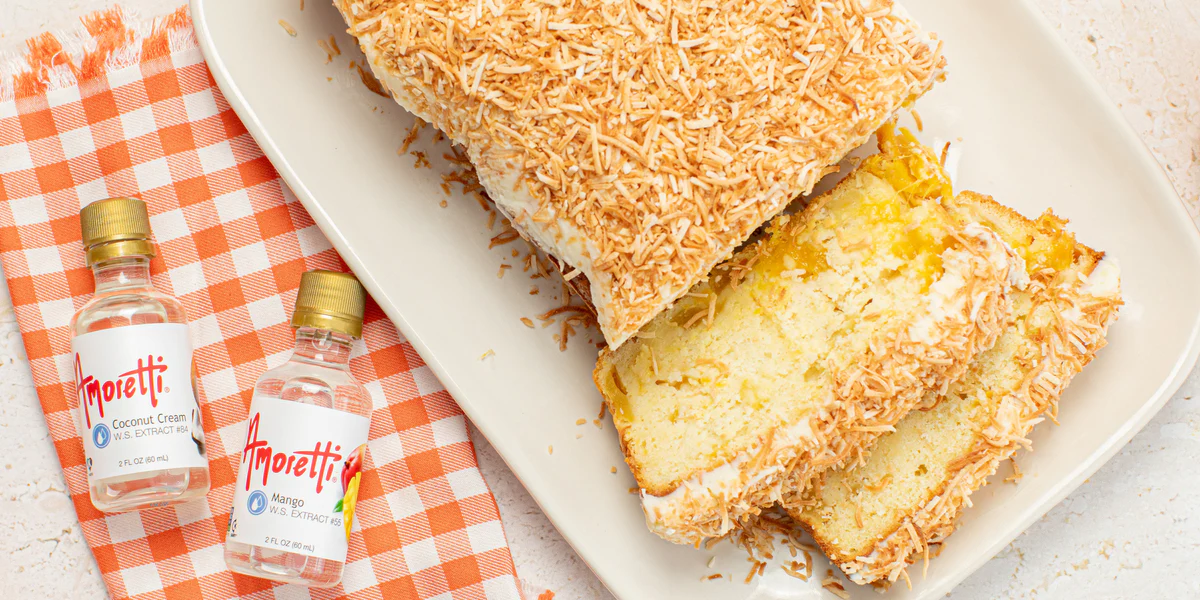
Mango Coconut Celebration Cake is the kind of dessert that instantly brightens a table with its color and aroma. Sweet ripe mangoes bring a tropical freshness, while coconut adds richness and a delicate nutty flavor that lingers in each bite. The combination feels festive and light at the same time, making it perfect for birthdays, summer gatherings, or any occasion that calls for a beautiful layer cake.
I bake this cake when I want something that tastes vibrant and looks impressive without being overly complicated. The sponge layers are soft and tender, infused with coconut milk for moisture and flavor. Between the layers, I spread a silky mango filling and a coconut buttercream that ties everything together into a balanced and memorable dessert.
This recipe walks you through the full process, from preparing the pans to assembling and decorating the cake. If you follow each step carefully and give yourself enough time for cooling and chilling, you will end up with a tall, stunning cake that slices cleanly and tastes even better than it looks.
Ingredients For The Coconut Cake Layers
The cake layers form the foundation, so accurate measuring and room temperature ingredients are important for the best texture.
3 cups all-purpose flour
2 1/2 teaspoons baking powder
1/2 teaspoon baking soda
1/2 teaspoon fine salt
1 cup unsalted butter, room temperature
1 3/4 cups granulated sugar
4 large eggs, room temperature
1 tablespoon pure vanilla extract
1 teaspoon coconut extract
1 cup full-fat coconut milk, room temperature
1/2 cup sour cream, room temperature
1 cup shredded sweetened coconut
The coconut milk and shredded coconut ensure the flavor runs throughout the sponge rather than sitting only in the frosting. Sour cream adds tenderness and prevents the layers from drying out.
Ingredients For The Mango Filling
The mango filling brings brightness and a natural sweetness that balances the richness of the cake.
2 cups fresh mango puree (from about 3 to 4 ripe mangoes)
1/4 cup granulated sugar
1 tablespoon lemon juice
1 tablespoon cornstarch
2 tablespoons water
I prefer using fresh ripe mangoes because they deliver the best flavor and color. If fresh mangoes are not available, high-quality frozen mango can work once thawed and blended smoothly.
Ingredients For The Coconut Buttercream
The frosting needs to be stable enough to support layers while remaining smooth and creamy.
1 cup unsalted butter, room temperature
4 cups powdered sugar
1/4 cup full-fat coconut milk
1 teaspoon coconut extract
1 teaspoon vanilla extract
Pinch of salt
This buttercream spreads easily and holds its shape for piping if you want decorative swirls on top.
Preparing The Cake Pans And Oven
I preheat the oven to 350°F (175°C). Consistent heat helps the layers rise evenly without doming too much. While the oven warms, I prepare three 8-inch round cake pans.
I grease each pan lightly and line the bottoms with parchment paper circles. Proper preparation ensures the cakes release cleanly after baking, which is essential when assembling a layered cake.
Mixing The Dry Ingredients
In a medium bowl, I whisk together the flour, baking powder, baking soda, and salt. Whisking distributes the leavening agents evenly throughout the flour. This prevents uneven rising or dense spots in the finished cake.
I set the dry mixture aside while I cream the butter and sugar.
Creaming The Butter And Sugar
In a large mixing bowl, I beat the softened butter until smooth and creamy. Then I gradually add the granulated sugar and continue beating for about four minutes. The mixture becomes pale and fluffy, indicating that enough air has been incorporated.
This step plays a major role in creating a light texture. I scrape down the sides of the bowl to ensure everything is evenly blended.
Adding Eggs And Flavorings
I add the eggs one at a time, mixing well after each addition. This prevents the batter from separating and keeps it smooth. After the eggs are fully incorporated, I mix in the vanilla extract and coconut extract.
The batter should look creamy and cohesive at this stage. If it appears slightly curdled, continued gentle mixing will smooth it out.
Incorporating Wet And Dry Ingredients
With the mixer on low speed, I add the dry ingredients in three additions, alternating with the coconut milk and sour cream. I begin and end with the dry mixture to maintain structure. Mixing just until combined prevents overdeveloping the gluten in the flour.
Once combined, I fold in the shredded coconut using a spatula. The batter should be thick but spreadable and lightly textured from the coconut.
Dividing And Baking The Cake Layers
I divide the batter evenly among the three prepared pans. Using a spatula, I smooth the tops to ensure even baking. Lightly tapping the pans on the counter releases trapped air bubbles.
The cakes bake for 22 to 28 minutes. I begin checking at 22 minutes by inserting a toothpick into the center. If it comes out clean or with a few moist crumbs, the layers are ready.
Cooling The Cake Layers
After removing the pans from the oven, I let them cool for 10 to 15 minutes before turning them out onto wire racks. The layers must cool completely before filling and frosting. Warm cake can melt the buttercream and cause sliding.
If needed, I wrap the cooled layers in plastic wrap and chill them for easier assembly. Slightly chilled layers are easier to handle and stack neatly.
Preparing The Mango Filling
In a small saucepan, I combine the mango puree, sugar, and lemon juice over medium heat. In a separate bowl, I mix the cornstarch with water to form a slurry. Once the mango mixture begins to simmer, I stir in the slurry.
I cook the mixture for several minutes, stirring constantly, until it thickens to a jam-like consistency. The filling should coat the back of a spoon without running. After removing it from heat, I let it cool completely before using.
Making The Coconut Buttercream
In a large bowl, I beat the butter until smooth and creamy. I gradually add powdered sugar, mixing on low speed to avoid a sugar cloud. Once incorporated, I add coconut milk, coconut extract, vanilla extract, and a pinch of salt.
I beat the buttercream for several minutes until light and fluffy. If the frosting feels too thick, I add a small splash of coconut milk. If too thin, I incorporate more powdered sugar gradually.
Assembling The Cake
I place the first cake layer on a serving plate or cake board. Using an offset spatula, I spread a thin layer of coconut buttercream on top. Then I pipe a border of frosting around the edge to hold the mango filling in place.
I spoon a generous layer of cooled mango filling into the center and spread it evenly within the border. The second layer goes on top, and I repeat the process. After placing the final layer, I apply a thin crumb coat of buttercream over the entire cake.
Chilling And Final Frosting
I refrigerate the cake for about 30 minutes to set the crumb coat. This step helps trap loose crumbs and creates a smooth base for the final layer of frosting. Once chilled, I apply a thicker layer of coconut buttercream and smooth the sides and top.
For decoration, I sometimes press shredded coconut onto the sides of the cake. Fresh mango slices or small cubes arranged on top add color and a fresh finish.
Texture And Flavor Profile
Mango Coconut Celebration Cake delivers soft, tender layers infused with coconut flavor. The mango filling adds a bright, slightly tangy sweetness that balances the richness of the buttercream. Each bite offers a mix of creamy frosting, fruity filling, and moist cake.
The shredded coconut adds subtle texture within the sponge. The buttercream remains smooth and not overly sweet, allowing the mango to shine.
Serving Suggestions
I serve this cake slightly chilled or at cool room temperature. Letting it sit out for about 20 minutes before slicing ensures the buttercream softens slightly. Clean slices are easier to achieve with a sharp knife wiped between cuts.
This cake pairs beautifully with fresh fruit on the side. It also works well as a centerpiece dessert for celebrations and special gatherings.
Storage Tips
I store the assembled cake in the refrigerator because of the fruit filling. It stays fresh for up to four days when covered properly. Before serving, I allow slices to rest at room temperature for the best texture.
The cake layers can also be baked in advance and frozen for up to one month. Wrapping them tightly prevents freezer burn and preserves moisture.
Helpful Baking Notes
Use ripe mangoes that are fragrant and slightly soft to the touch. Underripe fruit may taste sour and lack sweetness. Measuring flour accurately prevents dense layers.
Allowing the mango filling to cool completely is essential for stable assembly. Patience during chilling helps the cake maintain clean layers and sharp edges.
Final Thoughts
Mango Coconut Celebration Cake combines tropical flavors with a classic layer cake structure. The soft coconut sponge, vibrant mango filling, and creamy frosting create a dessert that feels festive and refreshing. Each slice reveals beautiful layers and balanced sweetness.
Following these steps carefully ensures a stunning and delicious result. The cake may look elaborate, but each stage is manageable when taken one at a time. With fresh ingredients and a bit of care, this celebration cake becomes a memorable centerpiece that tastes as joyful as it looks.