Lemon Blueberry Yogurt Cake
Lemon Blueberry Yogurt Cake is the kind of bake that fills my kitchen with the scent of citrus and warm vanilla before it even comes out of the oven. The crumb is soft and tender from the yogurt, the lemon adds brightness without overpowering, and the blueberries burst into little pockets of sweetness in each slice. I rely on this recipe when I want a cake that feels light yet satisfying, simple enough for an afternoon treat but beautiful enough to serve to guests.
This is a true step-by-step recipe, written so you can follow it from start to finish without guessing. I will walk you through preparing the batter, folding in the blueberries properly, baking the cake evenly, and finishing it with a lemon glaze that soaks gently into the top. If you measure carefully and follow the method closely, you will have a moist, flavorful Lemon Blueberry Yogurt Cake that slices cleanly and tastes even better the next day.
Ingredients For The Cake Batter
For the cake itself, gather the following ingredients before you begin. Having everything measured and ready makes the process smoother and prevents rushing later.
2 1/2 cups (300 g) all-purpose flour
2 teaspoons baking powder
1/2 teaspoon baking soda
1/2 teaspoon fine salt
1 cup (200 g) granulated sugar
1 tablespoon finely grated lemon zest
3 large eggs, room temperature
1 cup (240 ml) plain full-fat yogurt, room temperature
1/2 cup (120 ml) vegetable oil
1/4 cup (60 ml) fresh lemon juice
1 teaspoon pure vanilla extract
1 1/2 cups (225 g) fresh blueberries
1 tablespoon all-purpose flour (for tossing blueberries)
The yogurt is essential here because it gives the cake a soft, slightly tangy crumb that pairs perfectly with the lemon. Full-fat yogurt produces the best texture, and I always use fresh lemon juice rather than bottled for the brightest flavor. The small amount of extra flour for the blueberries helps prevent them from sinking to the bottom during baking.
Ingredients For The Lemon Glaze
For the glaze that finishes the cake, you will need:
1 cup (120 g) powdered sugar
2 to 3 tablespoons fresh lemon juice
1 teaspoon finely grated lemon zest
The glaze is simple but important because it enhances the citrus flavor and adds a delicate sheen to the top. I adjust the lemon juice slightly depending on how thick I want the glaze to be. A slightly thicker glaze creates a visible drizzle, while a thinner one soaks more deeply into the cake.
Preparing The Pan And Oven
I begin by preheating my oven to 350°F (175°C). A properly preheated oven ensures even baking and helps the cake rise consistently. While the oven heats, I prepare a 9-inch round cake pan or a 9×5-inch loaf pan, depending on the shape I want.
I lightly grease the pan with butter or oil and line the bottom with parchment paper. This step makes removing the cake effortless and keeps the bottom from sticking. Even if the pan claims to be nonstick, I never skip lining it for cakes like this.
Mixing The Dry Ingredients
In a medium bowl, I whisk together the flour, baking powder, baking soda, and salt. Whisking distributes the leavening agents evenly throughout the flour. This prevents uneven rising and ensures the cake has a consistent texture from edge to center.
I set the bowl aside once everything is combined. Keeping the dry mixture separate until the right moment helps avoid overmixing once the wet ingredients are added.
Infusing The Sugar With Lemon Zest
In a large mixing bowl, I combine the granulated sugar and the freshly grated lemon zest. Using my fingertips, I rub the zest directly into the sugar for about one minute. This simple step releases the lemon oils and infuses the sugar with a deep citrus aroma.
The sugar becomes slightly damp and fragrant, which translates directly into better flavor in the finished cake. Skipping this step would still produce a good cake, but taking this extra minute makes a noticeable difference.
Combining The Wet Ingredients
To the lemon-infused sugar, I add the eggs and whisk until the mixture becomes pale and slightly thickened. This usually takes about one to two minutes of steady whisking. I then pour in the yogurt, vegetable oil, fresh lemon juice, and vanilla extract.
I whisk everything together until smooth and fully combined. The mixture should look creamy and cohesive, without streaks of yogurt or oil floating on top. Using room-temperature ingredients helps the batter blend more easily and evenly.
Bringing Wet And Dry Together
I add the dry ingredients to the wet mixture in two additions, gently folding with a spatula after each addition. I mix just until no visible streaks of flour remain. Overmixing at this stage can lead to a dense cake, so I stop as soon as the batter looks smooth.
The batter should be thick but pourable, with a silky consistency. If it seems overly stiff, I double-check that all the wet ingredients were measured correctly. Proper balance ensures the cake stays moist and tender.
Preparing And Folding In The Blueberries
Before adding the blueberries to the batter, I place them in a small bowl and toss them with one tablespoon of flour. This light coating helps suspend the berries throughout the cake instead of letting them sink during baking. It also prevents them from bleeding too much color into the batter.
I gently fold the floured blueberries into the batter using a spatula. I take care not to crush them, as broken berries can turn the batter purple and release excess moisture. A gentle hand keeps the cake looking and tasting its best.
Filling The Pan And Baking
I pour the batter into the prepared pan and smooth the top with a spatula. I tap the pan lightly on the counter to release any large air bubbles. This helps the cake bake more evenly and prevents large holes in the crumb.
The cake bakes for 45 to 55 minutes, depending on the pan used and the specific oven. I begin checking at the 45-minute mark by inserting a toothpick into the center. If it comes out clean or with a few moist crumbs, the cake is done. If it comes out with wet batter, I bake it for a few more minutes and test again.
Cooling The Cake Properly
Once baked, I remove the cake from the oven and let it cool in the pan for about 15 minutes. This resting period allows the structure to set and makes unmolding easier. After that, I run a knife gently around the edges and invert the cake onto a wire rack.
I peel off the parchment paper and let the cake cool completely before glazing. Glazing a warm cake can cause the glaze to melt too quickly and disappear into the crumb rather than sitting beautifully on top.
Making The Lemon Glaze
In a small bowl, I whisk together the powdered sugar, two tablespoons of lemon juice, and the lemon zest. I stir until smooth and glossy. If the glaze seems too thick, I add a small splash of lemon juice. If it seems too thin, I add a bit more powdered sugar.
The final texture should be thick enough to coat the back of a spoon but still pourable. I prefer a glaze that slowly drips down the sides of the cake, creating a simple but elegant finish.
Glazing The Cake
With the cake completely cooled and placed on a serving plate, I spoon the glaze over the top. I let it drip naturally toward the edges rather than forcing it. This creates a relaxed, homemade look that suits the character of this cake.
I allow the glaze to set for about 20 to 30 minutes before slicing. During this time, it firms slightly and forms a delicate shell that contrasts nicely with the soft interior.
Texture And Flavor Notes
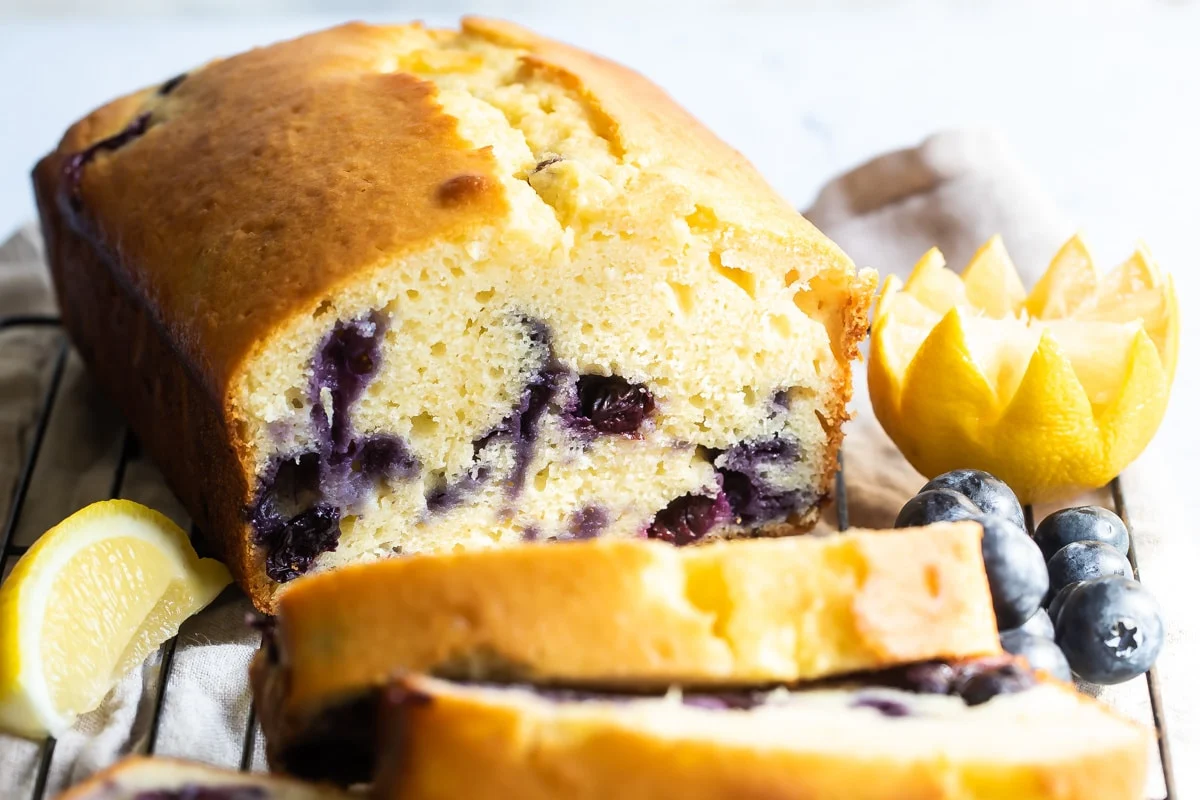
The finished Lemon Blueberry Yogurt Cake has a tender, moist crumb thanks to the yogurt and oil combination. The lemon flavor is bright but balanced, never sharp or overpowering. The blueberries create juicy bursts throughout the cake, adding both sweetness and a slight tart contrast.
Each slice reveals evenly distributed berries and a soft golden interior. The glaze enhances the citrus aroma and ties all the flavors together. This cake tastes fresh and light, yet it feels satisfying enough for dessert.
Storage And Serving Suggestions
I store the cake covered at room temperature for up to two days, or in the refrigerator for up to four days. If refrigerated, I let it come to room temperature before serving so the texture softens again. The flavor actually deepens slightly after a day, making leftovers just as enjoyable.
This cake pairs beautifully with a cup of tea or coffee. I sometimes serve it with a small dollop of lightly sweetened whipped cream or a few extra fresh blueberries on the side. It also works well as a brunch centerpiece because it is not overly sweet.
Helpful Baking Tips
Accurate measuring is essential for consistent results. I prefer weighing ingredients with a kitchen scale whenever possible because it removes guesswork. If using measuring cups, I spoon the flour into the cup and level it off rather than scooping directly from the bag.
Fresh blueberries work best, but if using frozen ones, I add them straight from the freezer without thawing. Thawed berries release too much moisture and can make the batter streaky. Baking time may increase slightly if frozen berries are used.
Final Thoughts
Lemon Blueberry Yogurt Cake is one of those dependable recipes that I return to throughout the year. The balance of tangy yogurt, bright lemon, and sweet blueberries creates a cake that feels both comforting and refreshing. It is simple to prepare, yet the flavor and texture feel thoughtful and well-developed.
Following the steps carefully will reward you with a cake that rises beautifully, slices cleanly, and stays moist for days. The process is straightforward, and each stage builds naturally on the one before it. Once you make this Lemon Blueberry Yogurt Cake, it easily becomes a favorite that you will want to bake again whenever lemons and blueberries are within reach.