
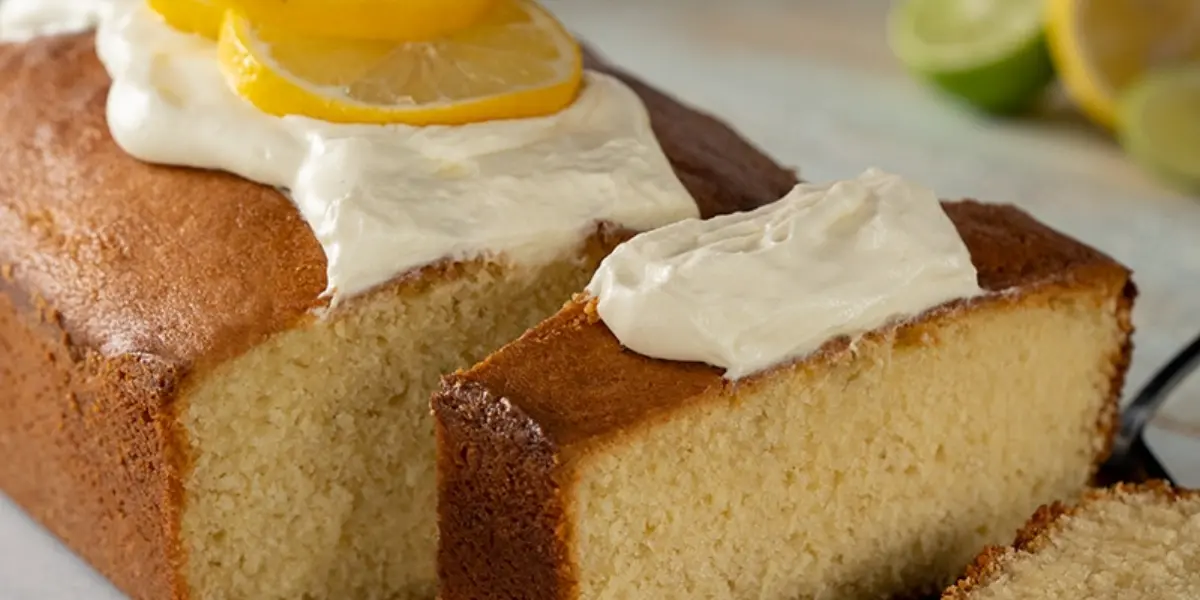
Low-Calorie Yogurt Cake delivers a soft, tender crumb with a light sweetness that satisfies without feeling heavy. I bake this cake when I want something simple, moist, and balanced, especially during weeks when I am paying closer attention to calories but still crave homemade dessert. The yogurt gives the cake richness and moisture, while reducing the need for excess oil or butter.
This recipe relies on everyday ingredients and a straightforward mixing method. The result is a cake that feels airy yet satisfying, perfect for breakfast, an afternoon snack, or a light dessert after dinner. If you follow the measurements and step-by-step guide carefully, you will have a dependable low-calorie yogurt cake that turns out beautifully every time.
Below you will find the complete ingredient list, preparation details, baking instructions, and helpful tips so you can read and bake with confidence.
Ingredients For Low-Calorie Yogurt Cake
Balanced proportions are important here because reducing fat and sugar affects texture. I measure carefully to ensure the cake stays moist and flavorful.
For the cake:
2 cups all-purpose flour
1 cup plain low-fat Greek yogurt
1/2 cup granulated sugar
1/4 cup honey or zero-calorie sweetener equivalent
1/4 cup neutral oil such as sunflower or light olive oil
3 large eggs, room temperature
1/4 cup milk (low-fat or unsweetened almond milk)
2 teaspoons baking powder
1/2 teaspoon baking soda
1/2 teaspoon salt
1 tablespoon lemon zest or orange zest
1 teaspoon vanilla extract
Optional light glaze:
3/4 cup powdered sugar
1 to 2 tablespoons lemon juice or milk
This recipe makes one 9-inch round cake or one standard loaf cake.
Preparing The Pan And Oven
Preheat your oven to 350°F (175°C). Allowing the oven to fully heat ensures even rising and proper structure.
Grease a 9-inch round cake pan or loaf pan lightly with oil. Line the bottom with parchment paper and lightly grease the parchment to prevent sticking.
Set the prepared pan aside before mixing the batter. Having everything ready keeps the process smooth once wet and dry ingredients are combined.
Mixing The Dry Ingredients
In a medium bowl, whisk together the flour, baking powder, baking soda, and salt. Whisking distributes the leavening agents evenly and prevents uneven rising.
If you are using citrus zest, add it to the dry ingredients and rub it gently into the sugar portion later. This releases aromatic oils and intensifies flavor.
Make sure the flour is lump-free before combining it with the wet ingredients.
Combining The Wet Ingredients
In a large bowl, whisk together the eggs and granulated sugar until slightly pale and smooth. This step helps dissolve the sugar and incorporate air.
Add the Greek yogurt and whisk until fully blended. The yogurt provides moisture and tenderness without needing large amounts of fat.
Stir in the oil, milk, honey or zero-calorie sweetener, and vanilla extract. Mix until smooth and cohesive. The batter at this stage should look creamy and slightly thick.
Bringing The Batter Together
Gradually add the dry ingredients into the wet mixture. Use a spatula to fold gently, mixing just until no streaks of flour remain.
Overmixing can make the cake dense, so stop once everything looks uniform. The batter should be smooth and moderately thick but still pourable.
Scrape down the sides and bottom of the bowl to ensure even incorporation.
Pouring And Baking
Transfer the batter into the prepared pan and smooth the top with a spatula. Tap the pan lightly on the counter to release any trapped air bubbles.
Place the pan on the center rack of the oven. Bake for 30 to 40 minutes, checking at the 30-minute mark.
Insert a toothpick into the center. If it comes out clean or with a few moist crumbs, the cake is done. Avoid overbaking to maintain moisture.
Remove the cake from the oven and let it cool in the pan for 10 to 15 minutes before transferring it to a wire rack.
Cooling And Glazing
Allow the cake to cool completely before adding glaze. Warm cake can cause the glaze to melt too much.
For the optional glaze, whisk powdered sugar with lemon juice or milk until smooth. The consistency should be thick yet pourable.
Drizzle lightly over the cooled cake, allowing it to drip naturally down the sides. This step adds sweetness without significantly increasing calories.
Texture And Flavor Profile
Low-Calorie Yogurt Cake has a soft, tender crumb with a slight tang from the yogurt. The sweetness is balanced rather than overpowering.
The small amount of oil keeps the cake moist without feeling greasy. Citrus zest adds brightness and enhances the overall flavor.
Each slice feels light yet satisfying, making it suitable for those seeking a lower-calorie dessert option.
Storage And Shelf Life
Store the cake in an airtight container at room temperature for up to two days. If your kitchen is warm, refrigerate it to maintain freshness.
In the refrigerator, it stays moist for up to five days. Allow slices to come to room temperature before serving for the best texture.
You can freeze individual slices wrapped tightly in plastic wrap for up to two months. Thaw at room temperature before enjoying.
Helpful Tips For Success
Use full-flavored low-fat Greek yogurt rather than fat-free varieties for better texture. Extremely fat-free yogurt can make the cake slightly dry.
Measure flour correctly by spooning it into the measuring cup and leveling it off. Packing flour can lead to a dense cake.
Avoid overbaking, as lower-fat cakes can dry out more quickly than traditional versions.
If using a zero-calorie sweetener, ensure it is suitable for baking and measures cup-for-cup like sugar.
Flavor Variations
Add 1/2 cup fresh blueberries or raspberries for a fruity variation. Fold them in gently before baking.
Stir in a teaspoon of almond extract for a subtle nutty flavor. It pairs nicely with the yogurt base.
For a chocolate twist, replace 1/4 cup of flour with cocoa powder and add a tablespoon of milk to balance moisture.
A sprinkle of cinnamon can also add warmth without increasing calories significantly.
Making It Even Lighter
You can reduce oil to 3 tablespoons if preferred, though the texture may be slightly less moist. Replacing honey with a calorie-free sweetener further reduces overall calories.
Using unsweetened almond milk instead of regular milk also lowers calorie content. Small adjustments can make a noticeable difference without sacrificing flavor.
Balance is key, as removing too much fat or sugar can affect texture.
Serving Suggestions
Serve slices plain for breakfast with coffee or tea. The light sweetness makes it suitable for morning enjoyment.
Top with fresh berries and a spoonful of extra yogurt for a refreshing dessert. A light dusting of powdered sugar can also add visual appeal.
Warming a slice slightly enhances the aroma and softness.
Why This Recipe Works
Greek yogurt contributes moisture, protein, and slight tang while reducing the need for large amounts of butter or oil. Eggs provide structure and lift.
The balance of baking powder and baking soda ensures proper rise. A moderate amount of sweetener keeps flavor pleasant without excessive calories.
Because the ingredients are carefully proportioned, the cake remains tender without feeling heavy.
Final Thoughts
Low-Calorie Yogurt Cake offers a practical way to enjoy homemade dessert without overindulging. The texture is soft, the flavor is balanced, and the ingredient list is simple and approachable.
With clear steps and reliable measurements, you can bake this cake confidently in your own kitchen. Once you taste how moist and satisfying it is, you may find it becoming a regular recipe whenever you want something lighter yet still comforting.