
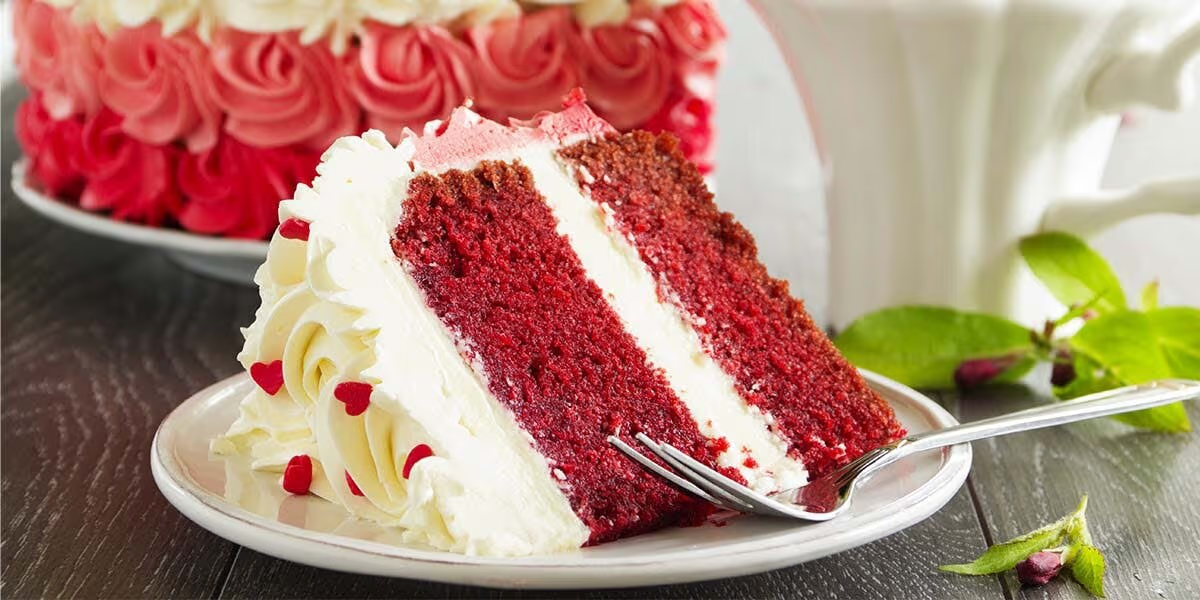
Allergy-Friendly Birthday Cake is the recipe I turn to when I need a celebration cake that feels festive, moist, and indulgent while avoiding common allergens. Birthday cakes should bring joy to everyone at the table, and that includes guests who cannot have dairy, eggs, nuts, or soy. This cake delivers soft layers, rich flavor, and a creamy frosting without relying on those ingredients.
I designed this recipe to be practical and dependable. The batter comes together in one bowl, the ingredients are easy to source, and the texture rivals traditional cakes. If you follow each step carefully, you will have a beautiful birthday cake that slices cleanly and tastes just as special as any classic version.
What Makes This Cake Allergy-Friendly
This cake is free from dairy, eggs, and nuts, which are among the most common allergens. It uses plant-based milk, oil instead of butter, and a simple vinegar reaction to help create a light crumb without eggs. The structure comes from balanced flour ratios and proper mixing rather than animal-based ingredients.
Always double-check labels on packaged products to ensure they are produced in allergen-safe facilities. Cross-contact can happen during manufacturing, so reading labels carefully matters when baking for someone with severe allergies.
Ingredients For The Cake
This recipe makes two 8-inch round cake layers.
2 1/2 cups all-purpose flour
1 1/2 cups granulated sugar
1 teaspoon baking powder
1 teaspoon baking soda
1/2 teaspoon salt
3/4 cup neutral oil such as sunflower or canola oil
1 1/2 cups unsweetened oat milk or rice milk
2 teaspoons vanilla extract
1 tablespoon apple cider vinegar
Optional: natural food coloring for tinted layers
The vinegar reacts with baking soda to create lift, replacing the role eggs often play in traditional cakes. Oat milk gives a neutral flavor and soft crumb.
Ingredients For Dairy-Free Frosting
1 cup dairy-free butter alternative, room temperature
3 1/2 cups powdered sugar
2 to 4 tablespoons oat milk
1 1/2 teaspoons vanilla extract
Pinch of salt
Choose a dairy-free butter alternative that is labeled allergen-friendly. Some plant-based butters contain soy, so verify before purchasing.
Preparing The Cake Pans
Preheat your oven to 350°F (175°C). Line the bottoms of two 8-inch round pans with parchment paper and lightly grease the sides.
Proper pan preparation prevents sticking and ensures clean layers. I always tap out excess flour or grease so the edges stay smooth.
Place the pans on a baking sheet for easier handling.
Mixing The Dry Ingredients
In a large mixing bowl, whisk together the flour, sugar, baking powder, baking soda, and salt. Whisking distributes the leavening evenly and prevents uneven rise.
Make sure there are no lumps of baking soda or baking powder hiding in the flour. Even distribution helps the cake bake uniformly.
Set the bowl aside while you measure the wet ingredients.
Combining The Wet Ingredients
In a separate bowl or large measuring jug, whisk together the oil, oat milk, vanilla extract, and apple cider vinegar. The mixture may look slightly curdled after adding vinegar, which is completely normal.
The vinegar activates the baking soda once combined with the dry ingredients. This reaction creates air bubbles that give the cake its lift.
Do not let the mixture sit too long before combining with the dry ingredients.
Bringing The Batter Together
Pour the wet ingredients into the dry ingredients. Stir gently with a spatula or whisk until just combined.
Avoid overmixing because excessive stirring can make the cake dense. Stop as soon as the batter looks smooth and no dry flour streaks remain.
If you want colored layers, divide the batter evenly into separate bowls and stir in a few drops of natural food coloring.
Baking The Cake Layers
Divide the batter evenly between the prepared pans. Smooth the tops gently with a spatula.
Place the pans in the preheated oven and bake for 28 to 32 minutes. Check for doneness by inserting a toothpick into the center of each cake. If it comes out clean, the layers are ready.
Allow the cakes to cool in the pans for 10 minutes before transferring them to a wire rack to cool completely.
Preparing The Frosting
In a large bowl, beat the dairy-free butter alternative until smooth and creamy. Use a hand mixer or stand mixer for best results.
Gradually add powdered sugar, one cup at a time, mixing on low speed to prevent a sugar cloud. Add vanilla extract and a pinch of salt.
Add oat milk one tablespoon at a time until the frosting reaches a spreadable consistency. Beat until light and fluffy.
Assembling The Cake
Ensure the cake layers are completely cool before frosting. Warm layers will melt the frosting and create sliding layers.
Place one layer on a serving plate. Spread an even layer of frosting over the top.
Place the second layer on top and frost the top and sides of the cake. Use an offset spatula for smooth sides or create decorative swirls.
Decorating The Cake
Use allergy-friendly sprinkles that are labeled free from major allergens. Many standard sprinkles contain soy or are processed in shared facilities.
Fresh fruit, shaved dairy-free chocolate, or simple piped borders make beautiful decorations. Keep designs simple for an elegant finish.
Refrigerate the cake for 20 to 30 minutes after frosting to help it set before slicing.
Texture And Flavor
This cake has a soft, tender crumb with a delicate vanilla flavor. The oil keeps it moist for days without becoming greasy.
The frosting is creamy and smooth with balanced sweetness. Together, they create a classic birthday cake experience without common allergens.
Guests rarely guess that this cake is dairy-free and egg-free.
Storage And Shelf Life
Store the frosted cake in an airtight container at room temperature for up to two days. If your kitchen is warm, refrigerate the cake and bring it to room temperature before serving.
Unfrosted layers can be wrapped tightly and frozen for up to two months. Thaw completely before frosting.
Frosting alone can be refrigerated for up to five days and re-whipped before use.
Flavor Variations
For a chocolate version, replace 1/2 cup of flour with unsweetened cocoa powder and increase oat milk by 2 tablespoons.
Add lemon zest and a tablespoon of lemon juice for a bright citrus cake. You can also fold in dairy-free chocolate chips for extra richness.
This base recipe adapts easily to different celebrations and themes.
Important Allergy Considerations
Always confirm dietary needs with guests before baking. Some individuals may also avoid gluten or specific grains.
If gluten is a concern, substitute with a 1:1 gluten-free flour blend designed for baking. Make sure it is certified allergen-safe.
Clean your kitchen tools and surfaces thoroughly to prevent cross-contact if baking for someone with severe allergies.
Why This Recipe Works
The combination of oil and plant milk creates moisture and tenderness. Vinegar and baking soda provide reliable rise without eggs.
Balanced sugar ensures structure without excessive sweetness. Careful mixing keeps the crumb soft and even.
The frosting formula mirrors traditional buttercream in texture while staying dairy-free.
Serving Suggestions
Serve this cake with fresh berries or a scoop of dairy-free ice cream. A drizzle of berry sauce adds color and contrast.
For children’s parties, slice into small squares for easy handling. The cake holds together well and does not crumble excessively.
Leftover slices make a delightful treat the next day.
Final Thoughts
Allergy-Friendly Birthday Cake proves that inclusive baking does not mean sacrificing flavor or texture. With simple ingredients and clear steps, you can create a celebratory cake that everyone can enjoy safely.
Follow the measurements closely, allow the layers to cool fully, and frost with care. The result is a beautiful, soft, and joyful cake ready to shine at any birthday celebration.